Why Hiring Professional Bathroom Remodelers Enhances Home Aesthetics
Understanding the Role of Bathroom Remodelers
What do Bathroom Remodelers Do?
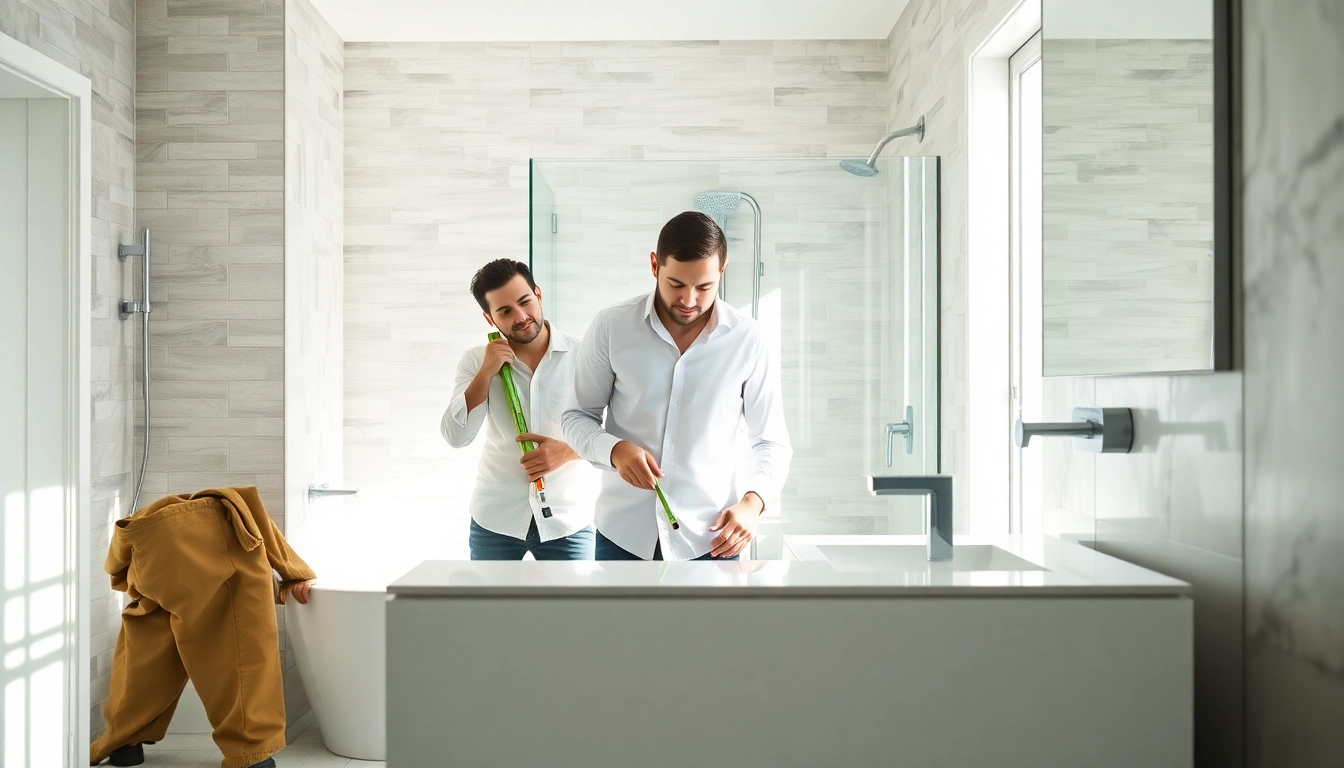
Bathroom remodelers are essential professionals in transforming and updating spaces typically associated with hygiene and relaxation. They handle a range of tasks, including design planning, material selection, and construction management. A skilled bathroom remodelers collaborates with homeowners to create customized solutions that meet their unique preferences and functional needs.
These remodelers are adept at executing projects of varying scales, from minor updates, such as changing fixtures and paint, to major renovations that involve significant alterations to layout and plumbing. They also help navigate building codes and permits, ensuring that the renovation complies with local regulations.
Benefits of Hiring Professionals
Engaging bathroom remodelers comes with numerous advantages. Firstly, they bring a wealth of experience and expertise, allowing them to address potential challenges effectively and avoid costly mistakes. They can save homeowners valuable time, handling all aspects of the project, from procurement to installation.
Additionally, a professional can add a creative touch, providing design insights that enhance the overall aesthetic of the bathroom. They stay updated with current trends, ensuring that the renovation aligns with contemporary styles and functionalities. Lastly, reliable remodelers often come with warranty options, offering peace of mind regarding the work performed.
Common Misconceptions About Bathroom Remodelers
Despite their invaluable role, several misconceptions surround bathroom remodelers. One common belief is that hiring professionals is unnecessarily expensive. While it’s true that professional services come with costs, the long-term savings from avoiding DIY mistakes and ensuring high-quality work often outweigh initial expenses.
Another misconception is that remodelers are simply contractors who execute tasks without creativity or input into design. In reality, experienced remodelers blend construction expertise with artistic insight, providing a holistic renovation service. Understanding these misconceptions can help homeowners make informed decisions when seeking bathroom remodeling services.
Choosing the Right Bathroom Remodelers
Key Qualities to Look For
When selecting bathroom remodelers, several key qualities should be prioritized. Proven experience in previous projects, especially those similar in scope, is crucial. Homeowners should seek remodelers who can showcase a portfolio of their work, reflecting both style and quality.
Additionally, effective communication is vital. The remodeler should be approachable, receptive to ideas, and able to articulate plans clearly. Reliability and punctuality in delivering timelines are essential traits, as these indicate professionalism and commitment to the project. Lastly, positive referrals and testimonials from past clients can be immensely informative in making the right choice.
How to Vet Potential Remodelers
The vetting process for bathroom remodelers should be thorough to ensure a successful collaboration. Start by checking their credentials, including licenses, insurance, and certifications relevant to renovations. This step helps verify that the remodelers are legitimate and compliant with industry standards.
Next, seek references and contact past clients to gather insights about their experiences. Online reviews can also offer a broader perspective on a remodeler’s reputation. Finally, consider their responsiveness in providing estimates and answering questions; this can indicate how well they will communicate throughout the renovation process.
Questions to Ask During Consultations
Consultations with potential bathroom remodelers present an invaluable opportunity to gauge compatibility. Consider asking about their design process, timelines, and how they handle unexpected challenges. Inquire about the materials they recommend and why, as well as their familiarity with current design trends.
It’s also wise to discuss their payment structure and warranty options for the work performed. By addressing these questions, homeowners can establish a clearer understanding of what to expect during the renovation and how the remodeler plans to achieve the project goals.
Planning Your Bathroom Renovation
Establishing a Realistic Budget
Setting a realistic budget is foundational to any bathroom renovation project. Begin by defining the scope of work, including a detailed list of materials, fixtures, and labor costs. Research average costs within your area, as these can vary significantly based on location.
It’s essential to include a contingency fund—monitoring renovations can sometimes lead to unexpected expenses. Aim for about 15-20% of the overall budget for this purpose. Communicating your budget with your remodeler will enable them to tailor solutions that align with your financial constraints, ensuring the project stays on track financially.
Common Renovation Pitfalls to Avoid
When undertaking a bathroom remodel, there are several common pitfalls to be aware of. One major issue is underestimating the time required for completion; delays can happen due to permit issues, supply chain problems, or unforeseen complications during construction. Planning for these possibilities can mitigate disappointment.
Another frequent mistake is neglecting the importance of flow and function in the design. Layout changes that consider user experience significantly enhance the usability of the space. Ensuring careful planning for plumbing and electrical layouts is crucial in avoiding complications down the line.
Design Trends for Modern Bathrooms
Staying abreast of design trends can help homeowners create a modern and stylish bathroom. Popular current trends incorporate natural materials, such as stone and wood, which promote a calming environment. Minimalist aesthetics with clean lines and functional storage solutions are also in vogue, allowing for a more organized appearance.
Color choices lean toward neutral palettes, although bold accent walls can provide a captivating focal point. Innovative technology integration, like smart showers and energy-efficient fixtures, ensures not only beauty but also functionality and sustainability in bathroom design.
Executing Your Bathroom Remodel
Stages of the Remodeling Process
The remodeling process typically unfolds in several stages. The initial phase involves project planning, which includes consultations with the chosen remodelers to finalize designs and establish timelines. Once plans are set, demolition of existing structures begins.
Next, any necessary structural changes occur, followed by the installation of plumbing, electrical systems, and drywall. Once the foundational elements are in place, the focus shifts to installing fixtures, flooring, and finishes that bring the design vision to life. Finally, a thorough inspection ensures all elements meet established standards before completion.
How to Coordinate with Your Remodelers
Effective coordination with bathroom remodelers enhances the project’s success. Regular communication is essential; schedule periodic check-ins to discuss progress and address any arising concerns. Utilizing shared platforms for project management can keep both parties informed, permitting smoother operations.
Being available to answer questions or make quick decisions regarding design changes or material selections can streamline the process significantly. By working closely with your remodelers, you’re more likely to achieve the desired outcomes efficiently.
Ensuring Timely Completion
Timely project completion is often a concern during bathroom renovations. One way to ensure adherence to deadlines is to create a well-organized schedule that includes estimated timelines for each project phase. Ensuring that all materials are ordered and delivered on time is equally crucial in preventing delays.
Clear communication with remodelers about the importance of timelines can help keep the team motivated to meet deadlines. Flexibility in handling minor hiccups can also improve efficiency, as some things may not go according to plan but can be managed effectively when approached collaboratively.
Maintaining Your Newly Remodeled Bathroom
Care Tips for Bathroom Fixtures
Maintenance of fixtures post-renovation is vital for long-lasting beauty and functionality. Regular cleaning with gentle, non-abrasive products can prevent buildup of soap scum and mineral deposits. It’s advisable to avoid harsh chemicals that could damage finishes.
For faucets and showerheads, periodic checks for leaks can help prevent water damage and conserve resources. Wiping down surfaces after use can reduce the accumulation of grime and keep the bathroom looking fresh.
Should You Schedule Regular Maintenance?
Scheduling regular maintenance for your renovated bathroom can extend the lifespan of your fixtures and finishes. A professional inspection once a year can identify potential issues early on, such as plumbing leaks or mold growth, before they escalate into more significant problems.
Additionally, regular upkeep not only preserves the look of your newly remodeled bathroom but also maintains its value as part of your home. Implementing a simple maintenance schedule ensures everything stays in top condition for years to come.
Understanding Warranties for Renovations
Warranties are an essential component of remodeling, providing homeowners with protection against defects in workmanship and materials. It’s important to thoroughly read and understand the warranty terms provided by both the remodelers and the manufacturers of fixtures and appliances.
Homeowners should ensure they document any issues as they arise, as prompt reporting can help facilitate warranty claims. Familiarizing oneself with the specifics of any warranties attached to the remodel can provide peace of mind and financial protection in the long run.
FAQs
What should I consider when budgeting for bathroom renovations?
Begin with a detailed project scope, including materials and labor costs. Research average local rates to set a realistic budget and include a contingency fund for unexpected expenses.
How long does a typical bathroom remodel take?
The duration varies based on project scope; minor remodels can take weeks, while extensive renovations might extend to several months. Clear timelines help manage expectations.
What design styles are popular for bathrooms?
Current trends include minimalism, modern design, and farmhouse aesthetics, often focusing on natural materials and neutral color schemes that evoke a spa-like ambiance.
How can I find reliable bathroom remodelers?
Ask for referrals from friends or family, research online reviews, and interview several candidates to assess their experience and reliability before making a selection.
Are DIY remodels worth the time and effort?
While DIY can save costs initially, it demands substantial design knowledge and expertise. For major renovations, hiring professionals often proves more efficient and reduces the risk of expensive mistakes.