Understanding Water Lilies: Types and Varieties
Water lilies are among the most enchanting aquatic plants that can transform any pond into a serene oasis. These stunning blooms not only enhance the beauty of water gardens but also play a crucial role in maintaining a healthy pond ecosystem. With a variety of shapes, sizes, and colors, choosing the right water lily can be both exciting and overwhelming. When exploring options, Water Lilies provide comprehensive insights that can guide your selection process.
What Are Water Lilies?
Water lilies belong to the family Nymphaeaceae and are characterized by their large, flat leaves that float on the water’s surface and striking flowers that bloom above the water. These plants are rooted in the mud at the bottom of ponds and lakes, making them vital for aquatic ecosystems. They contribute to oxygenation, provide shade to lower water temperatures, and offer shelter for fish and other aquatic wildlife.
Common Types of Water Lilies
There are two primary types of water lilies: hardy and tropical. Hardy water lilies (Nymphaea) thrive in temperate regions and can withstand colder temperatures, making them suitable for outdoor ponds in various climates. Tropical water lilies (Nymphaea) require warmer temperatures and are often grown in warmer regions or indoor ponds.
- Hardy Water Lilies: These varieties bloom during the day and are typically more robust. Popular cultivars include ‘Marliac’ and ‘Escarboucle.’
- Tropical Water Lilies: These lilies often bloom at night and come in vibrant colors. Notable varieties include ‘Blue Hawaii’ and ‘Albert Greenberg.’
Choosing the Right Variety for Your Pond
When selecting water lilies for your pond, consider the size of the pond, the amount of sunlight it receives, and the climate in your region. Factors such as water depth and surrounding plants also influence the success of water lily growth. Hardy varieties are ideal for large ponds, while tropical varieties may be more suited to smaller, sheltered spaces.
Creating the Ideal Environment for Water Lilies
Optimal Water Conditions for Water Lilies
Water lilies thrive in calm waters with a pH level between 6.0 and 7.5. It’s essential to maintain water quality by minimizing pollutants and ensuring adequate filtration. Regular testing of water parameters, including temperature and nutrient levels, can help in promoting healthy growth.
Sunlight and Temperature Requirements
Most water lilies require full sun exposure for at least 6 hours a day to bloom profusely. Temperatures between 70°F and 85°F (21°C to 29°C) are optimal for tropical varieties, while hardy types can tolerate cooler conditions. Proper placement of your water lilies maximizes their growth potential and bloom production.
Landscaping Tips for a Balanced Ecosystem
To create a balanced ecosystem, consider incorporating a variety of aquatic plants alongside water lilies. Marginal plants, such as marsh marigold and pickerel weed, can provide additional habitat and promote biodiversity. Additionally, plants that absorb excess nutrients will help keep algae growth in check and maintain clearer water.
Water Lilies Care and Maintenance in 2026
Essential Care Practices for Healthy Growth
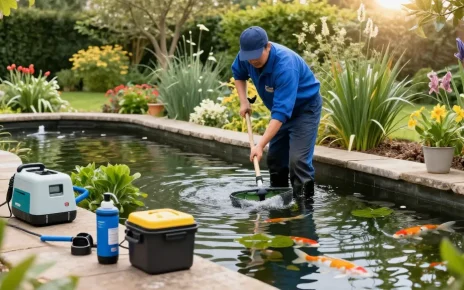
Proper care includes routine maintenance such as fertilizing, pruning, and repotting water lilies when necessary. Water lilies benefit from aquatic fertilizers, typically applied during the growing season. It’s important to remove dead foliage regularly to prevent decay that could affect water quality.
Common Pests and Diseases Affecting Water Lilies
Water lilies can be susceptible to pests like aphids, spider mites, and snails. Regular inspections and natural remedies, such as introducing beneficial insects, can help control these pests without harming the environment. Diseases like root rot can occur from overwatering or poor soil conditions, thus emphasizing the importance of maintaining a clean and healthy growing environment.
Seasonal Maintenance Tips for Pond Plants
Seasonal maintenance is crucial for water lily health. In the spring, ensure lilies are positioned appropriately as temperatures rise. Summer requires vigilant observation for pests, while autumn is the time to trim back foliage and prepare lilies for winter dormancy. Always ensure to protect your lilies from freezing temperatures if you live in colder climates.
Enhancing Your Garden with Water Lilies
Designing a Beautiful Pond with Water Lilies
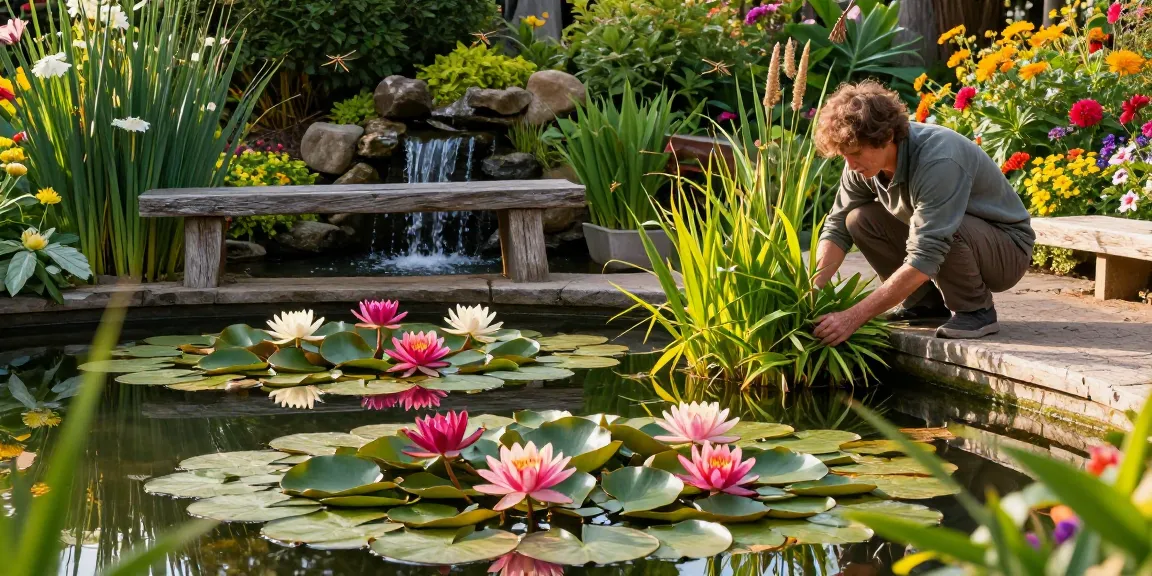
Incorporating water lilies into your garden’s design can create stunning focal points. Placing different varieties in clusters can result in a vibrant display of colors and textures. Consider varying the heights of the plants and the incorporation of rocks or driftwood for additional visual interest.
Pairing Water Lilies with Other Aquatic Plants
Water lilies can be effectively paired with a range of aquatic plants, including submerged plants like anacharis and floating plants like water hyacinths. This not only enhances aesthetic appeal but also creates a natural habitat for fish and other aquatic creatures, promoting ecological balance.
Water Lilies in Landscape Design Trends for 2026
As we progress into 2026, water lilies are increasingly popular in eco-friendly landscape designs. Trends emphasize sustainability and biodiversity, with water lilies playing a pivotal role in creating lush, inviting water features that blend seamlessly into the surrounding environment.
Future Trends in Water Gardening and Water Lilies
Innovative Cultivation Techniques for Water Lilies
Advancements in hydroponic and aquaponic systems are paving the way for innovative cultivation techniques for water lilies. These methods not only promote higher yields but also help conserve water, making them ideal for urban environments.
Environmental Considerations for Pond Gardens
As environmental awareness grows, maintaining a sustainable pond garden is crucial. Utilizing native plant species, minimizing chemical use, and optimizing water conservation will contribute to healthier ecosystems. Water lilies naturally fit into these practices by supporting local wildlife and reducing pollution.
Emerging Technologies for Water Gardeners in 2026
Technology is playing a significant role in pond management. Smart sensors that monitor water quality and automated systems for feeding and care will allow gardeners to maintain optimal conditions for water lilies and other aquatic plants, ensuring sustainability and ease of management.
What Makes Water Lilies Special in Your Garden?
Water lilies offer not only beauty but also essential ecological benefits. They improve water quality by oxygenating the water, providing shade, and reducing algae growth. Their presence can attract various wildlife, enriching the biodiversity of your garden.
How to Incorporate Water Lilies in Home Decor?
Water lilies can also be utilized in home decor. Fresh water lily arrangements can brighten up interior spaces, while prints and artwork featuring these blooms can enhance aesthetic appeal. Utilizing them in design can evoke a sense of tranquility and connection to nature.
Are Water Lilies Suitable for All Pond Types?
While water lilies adapt well to various pond types, their suitability depends on specific conditions. Hardy varieties are generally more versatile and can thrive in both small and large ponds, whereas tropical varieties require more care and warmer environments.
Can Water Lilies Thrive in Small Spaces?
Yes, water lilies can thrive in smaller ponds or containers, provided they have enough sunlight and appropriate water conditions. Dwarf varieties are particularly suited for smaller water features, allowing even the tiniest gardens to enjoy their beauty.
What Are the Benefits of Having Water Lilies?
The benefits of incorporating water lilies into your garden include aesthetic enhancement, improved water quality, and the creation of habitats for various wildlife. Their striking blooms and lush foliage add a unique charm to any aquatic setting.