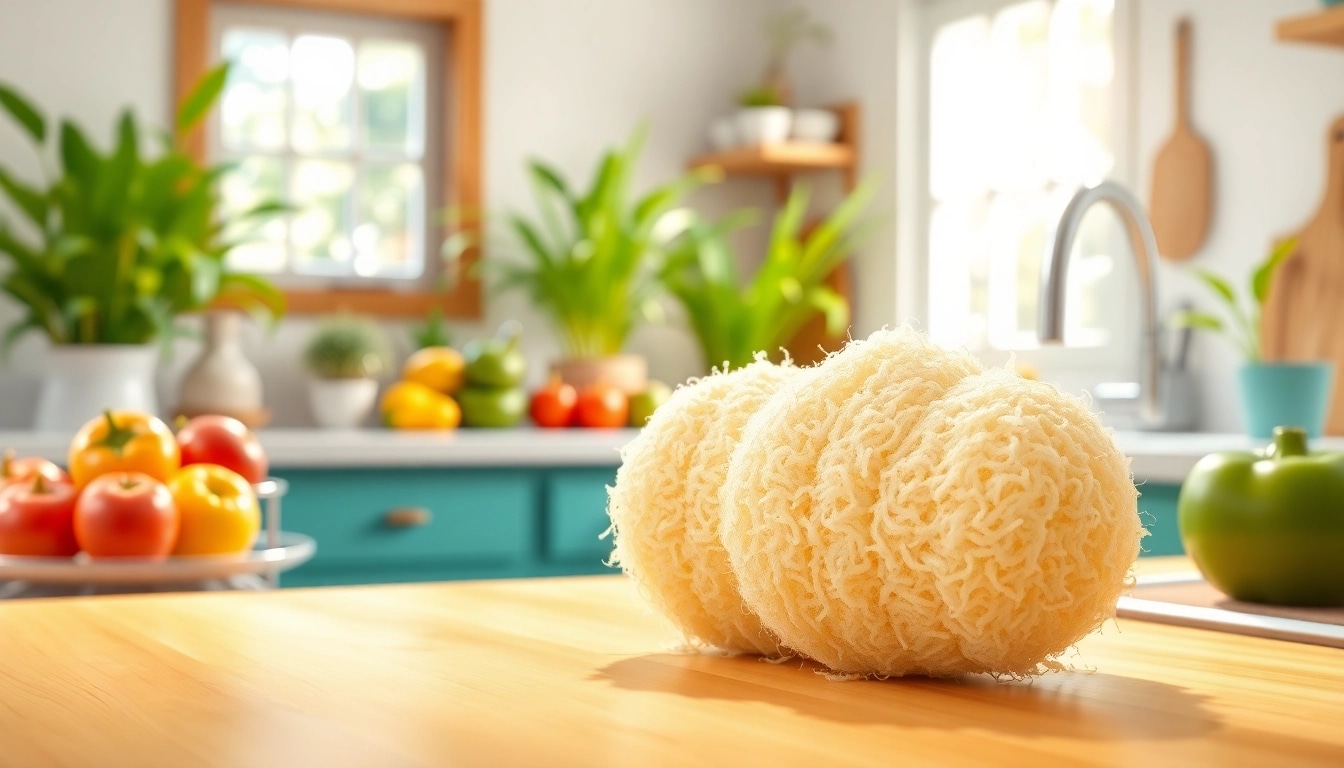
The Basics of Kitchen Loofah Benefits
What is a Loofah?
A loofah, often spelled as "luffa," is a natural sponge derived from the fibrous skeleton of the loofah gourd, scientifically known as Luffa aegyptiaca or Luffa cylindrica. This plant belongs to the cucumber family and thrives in warm climates. Loofahs have been used for centuries, primarily as a bathing and scrubbing accessory due to their exfoliating properties. While they are commonly associated with personal hygiene, loofahs also find a unique application in the kitchen as cleaning tools.
How Kitchen Loofah Benefits Your Health
Using a kitchen loofah can present several health benefits, particularly in maintaining a cleaner cooking environment. One key advantage is their natural exfoliating capacity, which assists in the effective removal of hard-to-clean residues on pots and pans. This can help prevent cross-contamination in food preparation areas, ultimately promoting better food hygiene. Additionally, kitchen loofahs are less abrasive than synthetic scrubbing pads, reducing scratches on non-stick cookware, and prolonging the lifespan of these essential kitchen items. When you explore the kitchen loofah benefits, you’ll find that their natural makeup helps reduce the risk of allergic reactions associated with synthetic cleaning products.
Environmental Advantages of Kitchen Loofah
Another significant advantage of kitchen loofahs is their environmental sustainability. Unlike synthetic sponges that can take centuries to decompose, loofahs are biodegradable. When they reach the end of their lifespan, they can be composted rather than contributing to landfill waste. Moreover, the cultivation of loofah plants requires fewer harmful pesticides and fertilizers compared to synthetic alternatives, promoting fewer environmental toxins. Choosing a kitchen loofah can contribute to a more eco-friendly lifestyle while still providing an efficient cleaning solution.
Using Kitchen Loofahs Effectively
Best Practices for Cleaning
To maximize the benefits of kitchen loofahs, it's essential to maintain proper cleaning practices. After each use, rinse the loofah thoroughly under warm water to remove food particles and debris. It’s advisable to soak it in a mixture of water and vinegar every week to help eliminate bacteria and odor. Additionally, allow the loofah to air dry completely; this can prevent the growth of mold or mildew, ensuring that your kitchen tool remains hygienic and long-lasting.
How to Choose the Right Kitchen Loofah
Selecting the right kitchen loofah depends on various factors, such as the types of surfaces you will be cleaning and your personal preference for texture. Loofahs come in different degrees of firmness, which can influence their scrubbing effectiveness. For delicate surfaces, opt for a softer loofah; for tougher tasks, a firmer version may be more suitable. Furthermore, consider whether you prefer a natural, untreated loofah or one that has been processed to enhance durability. Ensure the loofah is sourced sustainably to fully capitalize on its environmental benefits.
Creative Uses Beyond Scrubbing
While kitchen loofahs are fantastic for scrubbing dishes, their versatility extends beyond the kitchen. They can be repurposed as pot scrubbers, dishcloths, or even as packing material for fragile items. Some creative users have turned them into natural soap holders or even decorative pieces in bathrooms and kitchens. Loofah pieces can also be used for crafting, such as creating unique sponges for artistic painting techniques or custom scrubbing solutions. Their adaptability makes them a valuable addition to any household, promoting creativity alongside sustainability.
Comparing Kitchen Loofahs to Other Cleaning Tools
Loofah vs. Synthetic Sponges
When contrasting kitchen loofahs with synthetic sponges, several distinct differences emerge. Synthetic sponges can accumulate bacteria more quickly, leading to unpleasant odors and potential health hazards. In contrast, kitchen loofahs do not offer a hospitable environment for bacteria when properly cared for. This makes loofahs a healthier alternative for cleaning tasks in your kitchen. Furthermore, due to their organic nature, loofahs can provide excellent scrubbing power without scratching delicate surfaces, making them a preferred option among cooking enthusiasts.
Loofah Effectiveness in Reducing Bacteria
Studies indicate that kitchen loofahs have an inherent ability to minimize bacteria compared to traditional sponges. When cleaned and dried correctly, loofahs resist bacterial growth more effectively. Their natural fiber composition offers antimicrobial properties, further increasing their efficacy as kitchen cleaning tools. Regular maintenance, alongside natural sanitizing methods (like vinegar or hydrogen peroxide), can enhance the antibacterial effectiveness of loofahs.
Cost-Effectiveness of Kitchen Loofah
While the initial purchase cost of kitchen loofahs might be slightly higher than synthetic options, their longevity significantly enhances their cost-effectiveness. A well-maintained loofah can last several weeks, or even months, depending on usage patterns and care. In contrast, synthetic sponges often need replacing every few weeks due to wear and bacterial build-up, leading to more spending over time. When factoring in sustainability, choosing loofahs represents not only a financial benefit but also an investment in environmental health.
Maintaining Your Kitchen Loofah
Cleaning and Care Tips
To ensure the longevity of your kitchen loofah, adhere to specific cleaning and care guidelines. Rinse thoroughly after each use, and consider soaking the loofah in boiling water for a few minutes weekly to help sanitize it. Utilize vinegar or baking soda occasionally to neutralize odors and reinforce its freshness. Position your loofah in a well-ventilated area after use to promote drying, which is vital to inhibit mold growth and extend its usability.
When to Replace Your Kitchen Loofah
Despite their durability, kitchen loofahs will eventually need replacement. Indicators that it is time to get a new loofah include: persistent odors that cannot be eliminated with cleaning, visible tears or breakage in the loofah’s structure, or a darkening of the fibers despite regular care. Generally, replacing your loofah every 6–8 weeks is advisable, though high-use scenarios might necessitate earlier replacement.
Signs of Worn-Out Loofahs
Several telltale signs can signal a worn-out loofah. These include a change in texture, from firm to soft and mushy, or a significant change in color, indicating decomposition or mold. If you begin to notice a foul smell that persists even after thorough cleaning, it's a clear sign that replacement is necessary. Keeping an eye out for these indicators not only ensures optimum cleaning conditions but also safeguards your health in the kitchen.
FAQs About Kitchen Loofah Benefits
What are the health benefits of kitchen loofahs?
Kitchen loofahs promote better food hygiene by effectively removing residues, minimizing cross-contamination risks, and reducing harmful bacteria more than synthetic sponges.
How often should I replace my kitchen loofah?
It's recommended to replace your kitchen loofah every 6–8 weeks, or sooner if you notice odors, visible damage, or signs of mold despite regular cleaning.
Can kitchen loofahs reduce bacteria?
Yes, studies show that kitchen loofahs can be more effective than synthetic sponges in resisting bacteria when properly cleaned and maintained.
Are kitchen loofahs environmentally friendly?
Absolutely! Kitchen loofahs are biodegradable, require fewer chemicals in their production, and diminish plastic waste compared to synthetic sponges.
What is the best way to clean a loofah?
Rinse your loofah after each use, soak it in a vinegar-water solution weekly, and ensure it thoroughly dries in an open, ventilated area to prevent mold growth.