Understanding Fly Fishing Apparel: A Comprehensive Guide
Whether you’re a seasoned angler or a novice exploring the tranquil art of fly fishing, the right Fly fishing apparel is crucial for a successful experience. This guide delves deep into the various aspects of fly fishing apparel including its definition, importance, material composition, and much more. With the right knowledge, you can enhance your fishing experience and protect yourself from the elements while looking good.
What is Fly Fishing Apparel?
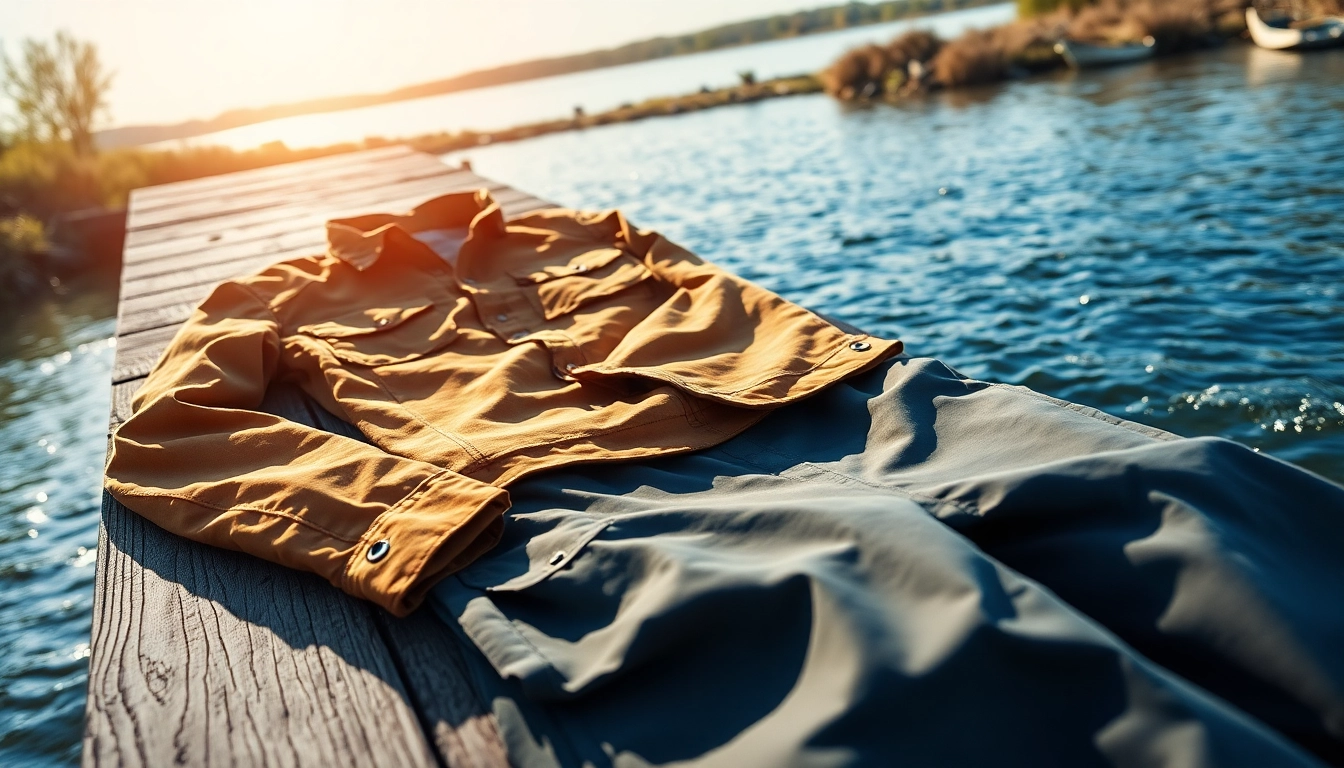
Fly fishing apparel is specialized clothing designed specifically for the needs of fly anglers. This includes shirts, trousers, jackets, waders, hats, and accessories that cater to the unique challenges presented by fly fishing. Unlike regular fishing clothes, fly fishing apparel integrates features that enhance performance, comfort, and convenience during the activity.
Importance of Quality in Fly Fishing Apparel
Quality is paramount in fishing apparel due to the various environmental factors anglers face. Investing in high-quality gear ensures durability and performance under varying conditions. Poor quality apparel may lead to discomfort, increased fatigue, and compromised safety. A well-designed fly fishing wardrobe also means greater flexibility and preparedness for changing weather patterns and environments.
Materials Used in Fly Fishing Apparel
Fly fishing apparel is constructed from specialized materials that combine functionality with comfort. Common fabrics include:
- Synthetic Fibers: Lightweight and moisture-wicking, these fabrics keep you dry and comfortable.
- Cotton Blends: While offering breathability, they should be treated to resist water and stains.
- Waterproof Membranes: Essential for outer layers, these materials provide protection against rain and splashes.
- Insulating Materials: Key for colder environments, they help maintain body heat while allowing moisture to escape.
Essential Features of Fly Fishing Apparel
Breathability and Comfort
Breathe easy to enjoy a day out on the water. Breathability in fabric ensures that perspiration is evaporated quickly, avoiding discomfort. Look for materials that provide ventilation, such as mesh panels or quick-drying fibers. Ill-fitting clothing can hinder movement and affect casting accuracy, so focus on comfort and fit without compromising ease of movement.
Water Resistance and Durability
Water resistance is critical when choosing fly fishing apparel. Fabrics treated with DWR (Durable Water Repellent) help keep anglers dry from spray, while durable construction withstands the wear and tear of fishing activities. Pay attention to seams, stitching, and overall construction quality to ensure longevity.
UPF Protection in Fly Fishing Apparel
UPF (Ultraviolet Protection Factor) is a vital consideration in clothing designed for outdoor activities. High UPF-rated apparel protects the skin from harmful UV rays that you might be exposed to during long fishing trips. Wearing UPF-rated clothing can dramatically reduce the risk of sunburn and skin-related issues over time.
Choosing the Right Fly Fishing Apparel for Different Environments
Freshwater vs. Saltwater Fly Fishing Apparel
Selecting apparel for freshwater or saltwater fishing can influence your comfort and effectiveness. Freshwater environments typically require lighter fabrics for warmer conditions, while saltwater apparel may involve more robust materials resistant to corrosion and UV damage. Consider specialized features like greater ventilation for freshwater and durability for saltwater activities.
Weather Adaptable Fly Fishing Apparel
Weather can significantly impact your fishing experience, and your attire should adapt accordingly. In hot weather, lightweight and breathable fabrics are essential, while in colder conditions, layered, insulated clothing is imperative. Waterproof jackets can prove invaluable during unexpected rains, emphasizing the need for adaptability in apparel choice.
Layering Techniques for Fly Fishing Apparel
Layering is an effective way to prepare for varying weather conditions throughout your fishing day. Use a base layer that wicks moisture away from the skin, an insulating layer to trap heat, and a waterproof outer layer to protect against the elements. Proper layering allows you to adjust according to temperature changes and physical activity levels.
Maintenance and Care for Fly Fishing Apparel
Washing and Drying Tips
Take care of your fly fishing apparel to ensure it lasts. Wash your garments on a gentle cycle using mild detergent, avoiding fabric softeners that can compromise performance. Line drying is preferable as it helps maintain the integrity of water-resistant tech present in many items.
Storage Best Practices
Proper storage is essential in prolonging the life of your apparel. Store items in a cool, dry place, away from direct sunlight. Hanging garments is ideal since folding can cause creases and may lead to long-term damage in water-resistant fabrics.
Repairing Damaged Fly Fishing Apparel
Minor tears or damages can be repaired easily with repair patches or fabric glue. For significant damages, consult a professional service. Regularly check your apparel for signs of wear, addressing any issues promptly to prolong use.
FAQs about Fly Fishing Apparel
What materials are best for fly fishing apparel?
The best materials include moisture-wicking synthetic fabrics, breathable cotton blends, and waterproof materials for outer layers.
How does UPF rating affect fly fishing apparel?
UPF rating indicates the level of sun protection the fabric provides, shielding you from harmful UV rays during long hours outdoors.
Can I wear regular clothes for fly fishing?
While you can wear regular clothes, specialized fly fishing apparel offers benefits like breathability, comfort, and UV protection.
How should I care for my fly fishing apparel?
Follow manufacturer instructions; usually, this involves washing on a gentle cycle and avoiding fabric softeners to maintain performance.
What's the best layering strategy for fly fishing?
Start with a moisture-wicking base layer, add an insulating layer, and top with a waterproof outer layer for varying conditions.