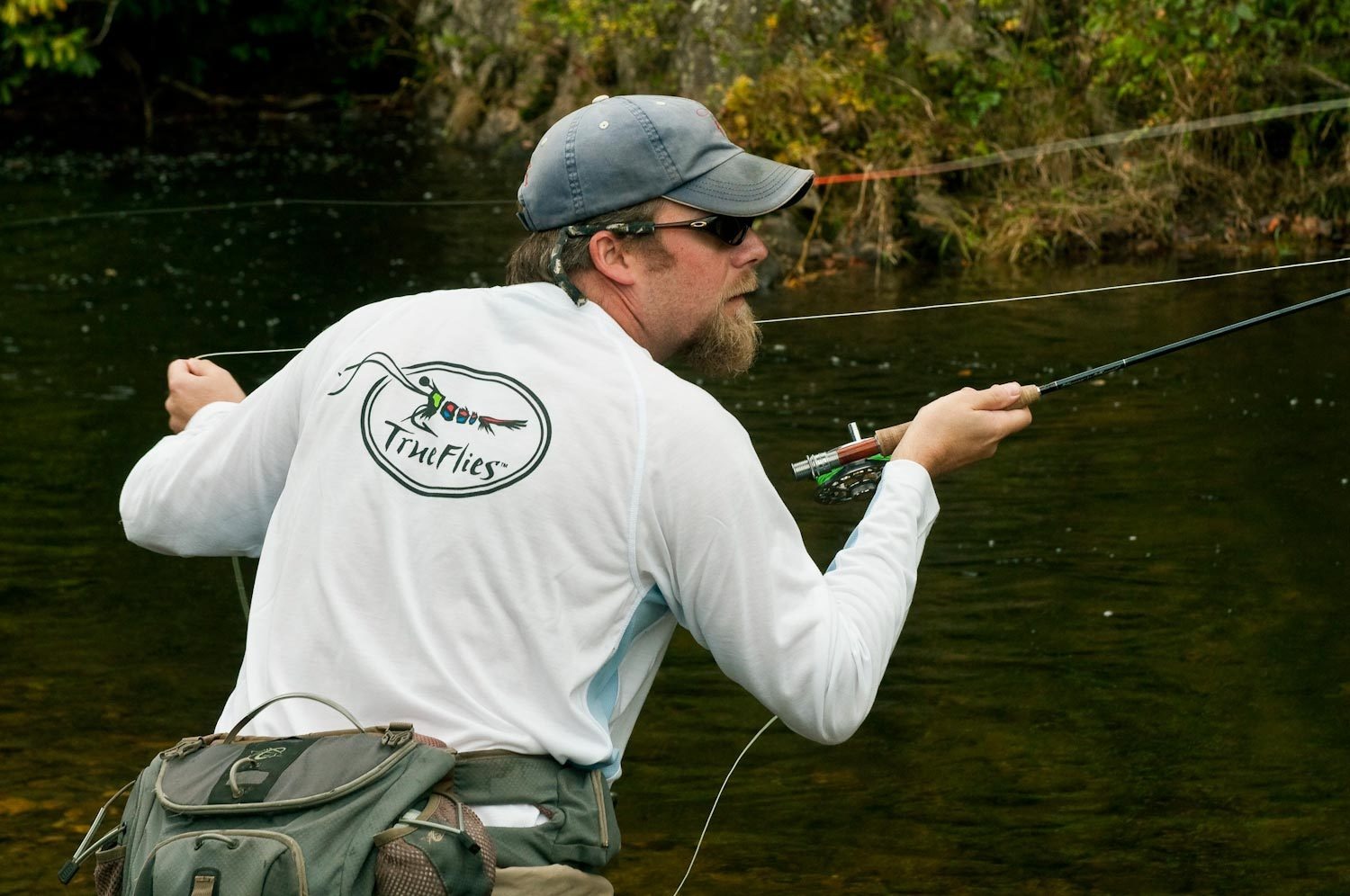
Saltwater enthusiasts know that timing is everything, and Saltwater fly fishing success often depends on understanding how seasons shape coastal ecosystems and fish behavior. Whether you're chasing cruising tarpon, feeding stripers, or tailing redfish, recognizing when and where conditions peak can transform your entire angling experience with Fly Fishing Specialties. This guide breaks down the best seasonal hotspots, offering valuable insight that helps maximize your time on the water and elevate your overall approach to saltwater fly fishing.
Why Seasons Matter in Saltwater Fly Fishing
Seasonal changes influence bait availability, water temperatures, currents, and fish migration, all of which directly affect your saltwater fly fishing strategy. As waters warm or cool, species shift locations, feeding patterns evolve, and prime windows to target specific fish narrow or expand. Understanding these cycles helps you confidently plan trips, select appropriate gear, and choose productive tides for effective saltwater fly fishing. Focused preparation allows anglers to anticipate movement and exploit predictable patterns that occur throughout the year, ultimately improving overall saltwater fly fishing outcomes.
Spring: Warming Waters and Early Migrations
Spring marks the start of renewed coastal activity, and it’s one of the most exciting seasons for saltwater fly fishing. Rising water temperatures trigger migrations and feeding frenzies ideal for anglers looking to capitalize on active fish. During this season, many species move inshore, presenting multiple opportunities for strategic saltwater fly fishing outings.
East Coast Action
On the East Coast, striped bass begin migrating north, and shallow bays fill with life ideal for saltwater fly fishing. As baitfish become abundant, stripers feed aggressively in estuaries, marsh channels, and along jetties. Spring tides often produce excellent sight-casting opportunities, offering saltwater fly fishing enthusiasts a strong start to the season. Targeting early-arriving fish near river mouths, mud flats, or warm pockets increases your chances of connecting with quality stripers during the spring push.
Gulf Coast Warm-Up
Along the Gulf Coast, redfish and speckled trout become more reactive as water temperatures stabilize. This region is known for consistent spring opportunities, and saltwater fly fishing here thrives when anglers work shallow grass flats or oyster bars. Clearer waters allow precise presentations, and spring winds often generate bait movement ideal for active feeding. By focusing on transitional zones around inlets or flats edges, anglers can make the most of spring’s predictable movement.
West Coast Awakening
On the West Coast, species like corbina and halibut begin shifting into accessible zones. California beaches are especially enticing for early-season saltwater fly fishing, with fish becoming more visible along surf lines. Targeting warming troughs and structure-filled pockets can deliver surprising action. Anglers dedicated to saltwater fly fishing during spring should prioritize morning tides and subtle fly presentations to draw aggressive strikes in these newly active waters.
Summer: Prime Time for Explosive Saltwater Action
Summer is arguably the most productive season for saltwater fly fishing, delivering warm waters, consistent weather, and peak migrations. Fish feed heavily, and this creates ideal scenarios for targeting a wide range of species along various coastlines. For many anglers, this is when saltwater fly fishing reaches its most exciting intensity.
Tarpon Season in Florida
Florida dominates summer headlines with its world-famous tarpon migration. These massive fish cruise oceanside flats, giving saltwater fly fishing anglers unforgettable shots at one of the sport’s most iconic species. Clear water, strong sun, and predictable movement create prime sight-fishing conditions. Tarpon behavior peaks during summer, and mastering accurate presentations becomes essential for memorable hookups.
Northeast Blitzes
Summer on the Northeast coast is known for blitzes of stripers and bluefish crashing bait balls. These feeding frenzies are perfect for saltwater fly fishing, providing fast-action opportunities ideal for anglers of all levels. Working rip lines, rocky points, and tide-swept channels often yields outstanding results. When bait is concentrated, predators become highly aggressive, making summer a perfect season for targeting powerful coastal species.
Western Coasts and Surf Zones
The Pacific Coast also shines in summer as species like striped bass in Northern California and corbina in Southern California feed aggressively in surf zones. Sight fishing becomes increasingly viable, allowing targeted saltwater fly fishing with lightweight gear and realistic patterns. Summer mornings and evenings offer optimal tides and calm conditions that make these waters especially rewarding.
Fall: Feeding Frenzies and Migration Peaks
Fall is a favorite season for many anglers because fish feed heavily to prepare for winter or long migrations. Cooler temperatures stabilize waters, and baitfish concentrate, making fall saltwater fly fishing a highly productive period. This season offers a unique blend of aggressive fish, comfortable weather, and consistent action.
Atlantic Coast Stripers and Albies
Striped bass return southward during fall migrations, providing excellent saltwater fly fishing opportunities from New England down to the Mid-Atlantic. Meanwhile, false albacore gather in impressive numbers offshore and nearshore, thrilling anglers with blistering runs and challenging presentations. These species demand speed and precision, pushing saltwater fly fishing skills to new heights.
Southern Marsh Opportunities
Southern marshes come alive as redfish school up and tail across mud flats. This behavior allows for some of the best sight fishing of the entire year. Fall redfish are powerful, hungry, and often very willing to strike well-presented patterns. Anglers dedicated to saltwater fly fishing in marsh systems should target sunny days when visibility makes it easier to locate feeding fish.
Pacific Coast Transitions
Out West, fall brings excellent opportunities for halibut and continued surf species before winter weather shifts patterns. Stable tides and moderate winds create ideal windows for saltwater fly fishing. Many anglers prefer this season for its cooler temperatures and reliability, as fish react to seasonal bait consolidation along beaches and nearshore structure.
Winter: Technical Challenges and Rewarding Opportunities
Winter requires more strategy, but it still provides rewarding saltwater fly fishing for prepared anglers. Cooler water temperatures slow fish activity, but species remain targetable in specific areas where conditions align.
Florida and the Caribbean
Florida’s backcountry zones and Caribbean flats become winter havens for species such as bonefish, permit, and redfish. Consistent sunlight and shallow water create conditions that support technical saltwater fly fishing, rewarding patient and skilled anglers. Winter is ideal for pursuing subtle, wary fish that demand finesse in fly selection and presentation.
West Coast Surf Fisheries
Even in winter, the Pacific Coast maintains viable surf fly opportunities. Barred surfperch remain active, and anglers committed to saltwater fly fishing continue to find action along beaches during incoming tides. Larger winter swells challenge casting, but rewarded anglers enjoy consistent catches and less crowded conditions.
Tips for Maximizing Seasonal Saltwater Success
To get the most out of each season, anglers must adapt strategies, gear, and tactics based on changing conditions. Flexibility is crucial for productive saltwater fly fishing, and following a seasonal mindset dramatically improves outcomes.
Match Flies to Seasonal Bait
Each season brings shifting bait profiles, so choosing flies that replicate current forage improves results. Saltwater fly fishing thrives on accurate imitation, making pattern selection essential throughout the year.
Prioritize Weather and Tide Windows
Successful saltwater fly fishing depends heavily on understanding tide cycles, wind patterns, and light conditions. Monitoring these elements allows anglers to choose peak times when fish are most active and accessible.
Travel to Follow Seasonal Peaks
Many of the world’s best fisheries hit distinct seasonal peaks, and planning trips around these windows delivers unforgettable experiences. Traveling with seasonal strategy in mind makes saltwater fly fishing more productive and rewarding.
Conclusion: Make Every Season Count with Strategic Saltwater Fly Fishing
Saltwater fly fishing thrives when anglers adapt to seasonal movements, shifting habitats, and changing bait patterns. By understanding how spring migrations, summer feeding frenzies, fall consolidations, and winter transitions shape coastal environments, you can strategically plan trips that maximize success. Fly Fishing Specialties offers the gear, guidance, and expertise you need to elevate every outing. Let the seasons guide your next adventure, refine your approach, and transform your saltwater fly fishing journey into a year-round pursuit of coastal excellence.