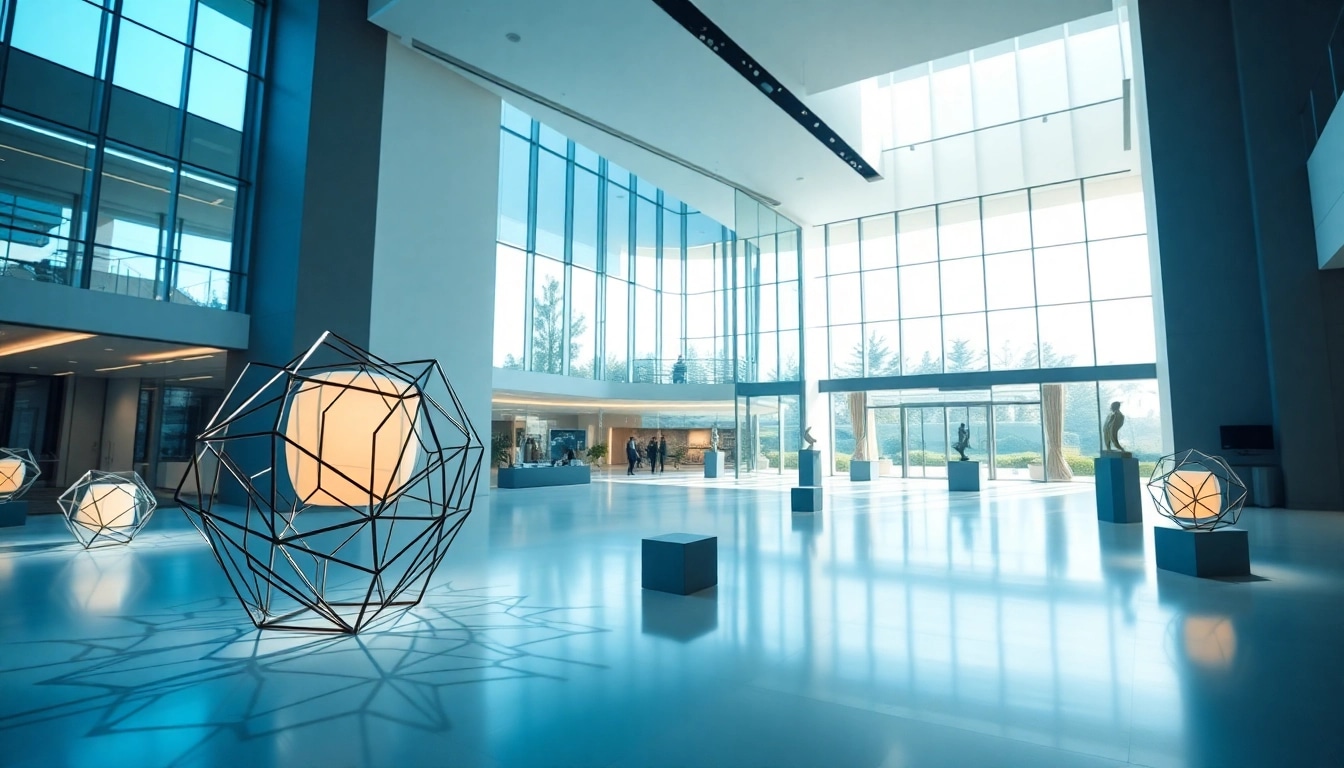
Understanding Sleek Illumination
The Concept of Sleek Illumination
Sleek Illumination is more than just a design choice; it represents a shift towards minimalism, where functionality meets elegance. Defined by clean lines and a contemporary aesthetic, this approach prioritizes an unobtrusive yet impactful application of lighting. It shifts focus away from traditional, bulky fixtures and embraces a modern ethos that reflects both simplicity and sophistication. Professionals across various design disciplines are increasingly adopting Sleek Illumination in their projects, ensuring spaces feel airy and well-structured without feeling overwhelming.
Benefits of Sleek Illumination
The implementation of Sleek Illumination brings a myriad of advantages. First and foremost, it enhances the overall aesthetic of a space, allowing other design elements to shine without being overshadowed by heavy lighting fixtures. Additionally, sleek lighting solutions are often more energy-efficient, utilizing technologies such as LED that provide better illumination with lower power consumption. Moreover, the ability to control lighting levels allows for adjustable atmospheres suitable for various occasions, enhancing versatility within environments ranging from homes to offices.
Trends in Illumination Design
As the design landscape evolves, so do the trends in lighting design. Sleek Illumination encompasses cutting-edge technologies such as smart lighting systems that can be controlled via smartphones, providing a modern touch to traditional concepts. Designers are increasingly looking towards integrated lighting solutions, where lighting is seamlessly embedded into architectural elements. The rise of biophilic design has also influenced Sleek Illumination, promoting natural light and harmonizing with internal space layouts.
Key Components of Sleek Illumination
Types of Lighting used in Sleek Illumination
A variety of lighting types can be effectively used to achieve Sleek Illumination. Ambient lighting serves as a foundational element, providing overall brightness to a room. Accent lighting highlights specific features or decorations, enhancing the visual interest without overwhelming the eyes. Task lighting is essential for functionality—particularly in workspaces—directing light precisely where it’s needed. The strategic blend of these lighting types creates a harmonious balance across spaces.
Materials and Fixtures
The selection of materials and fixtures plays a crucial role in defining the character of Sleek Illumination. Contemporary fixtures often utilize metals such as brushed nickel or matte black finishes, featuring minimalist designs that complement a clean aesthetic. Glass, acrylic, and wood elements can also be integrated, creating a multifaceted dimension within the lighting design that remains consistent with modern sensibilities. The key is to select materials that reflect light beautifully while maintaining simplicity.
Color Temperature and Its Impact
Color temperature significantly influences the ambiance of a space. Measured in Kelvins (K), the spectrum ranges from warm (below 3000K) to cool (above 5000K). Warm white light creates a cozy atmosphere, ideal for relaxation areas, while cool white offers a stimulating environment, suitable for workspaces. The careful selection of color temperature enhances the emotional responses of occupants and can dramatically affect both perception and functionality.
Implementing Sleek Illumination
Planning Your Space
Effective implementation of Sleek Illumination begins with meticulous planning. Assess the function of each space and identify areas where different types of lighting would best serve the intended purpose. Sketching out a lighting plan allows designers to visualize placements and calculate necessary intensity levels. Consideration must also be given to natural light sources to create a balanced lighting approach throughout the day.
Installation Tips for Effectiveness
The installation process for Sleek Illumination should aim for precision. Ensuring correct electrical setups is crucial; unnecessary shadows can be avoided by installing fixtures at optimal heights and angles. Dimmer switches can add flexibility by allowing users to adjust brightness levels according to their needs. Additionally, testing the setup with varying light intensities can determine the best arrangement for both aesthetic appeal and functionality.
Creating Ambiance with Lighting Layers
Creating an engaging atmosphere requires a layering approach to lighting. Combining ambient, task, and accent lights helps to create depth. Dimmers play a pivotal role in this layer, allowing users to shift from bright task lighting during the day to soft ambient lighting for evening relaxation. Thoughtful arrangement helps in setting the tone and mood of a space, encouraging its use for different activities at various times.
Evaluating Sleek Illumination Effectiveness
Measuring Light Levels
Evaluating the effectiveness of Sleek Illumination necessitates measuring light levels, typically done using a lux meter. This tool can help determine whether the illumination meets required standards for different spaces, ensuring that every area is sufficiently lit. Regular assessments are essential to maintain a conducive environment, where adjustments can be made based on the changing functionality of spaces.
Assessing Aesthetic Appeal
The visual impact of Sleek Illumination is equally important. This can be evaluated through observation and feedback from users. Particular focus should be directed towards how lighting interacts with colors, textures, and spatial designs. An appealing aesthetic encourages a connection with the space, enhancing the overall experience of its occupants. Observational studies can bring insight into how inhabitants engage with different lighting setups.
Gathering User Feedback
User feedback is a critical component in evaluating Sleek Illumination. Gathering insights through surveys or casual conversations can provide valuable perspectives on how effective the lighting is in supporting various activities. Understanding occupants’ preferences, as well as identifying potential issues with the current lighting setup, helps compare initial goals with actual performance, allowing for continuous improvement.
FAQs about Sleek Illumination
What is Sleek Illumination?
Sleek Illumination refers to a modern lighting design approach that emphasizes minimalism and elegance while maximizing functionality.
How can I choose the right fixtures?
Choose fixtures that complement the space's aesthetic, considering size, material, and color to ensure they contribute to a unified look.
What colors work best with Sleek Illumination?
Neutral colors work exceptionally well, as they enhance the sleek aesthetic while allowing for flexibility in design and decor.
Can Sleek Illumination be energy-efficient?
Yes, Sleek Illumination can utilize energy-efficient lighting solutions, such as LED, which consume less energy while offering optimal brightness.
How does Sleek Illumination enhance design?
By creating a clean and inviting atmosphere, Sleek Illumination highlights architectural features and complements furnishings, enhancing overall design.