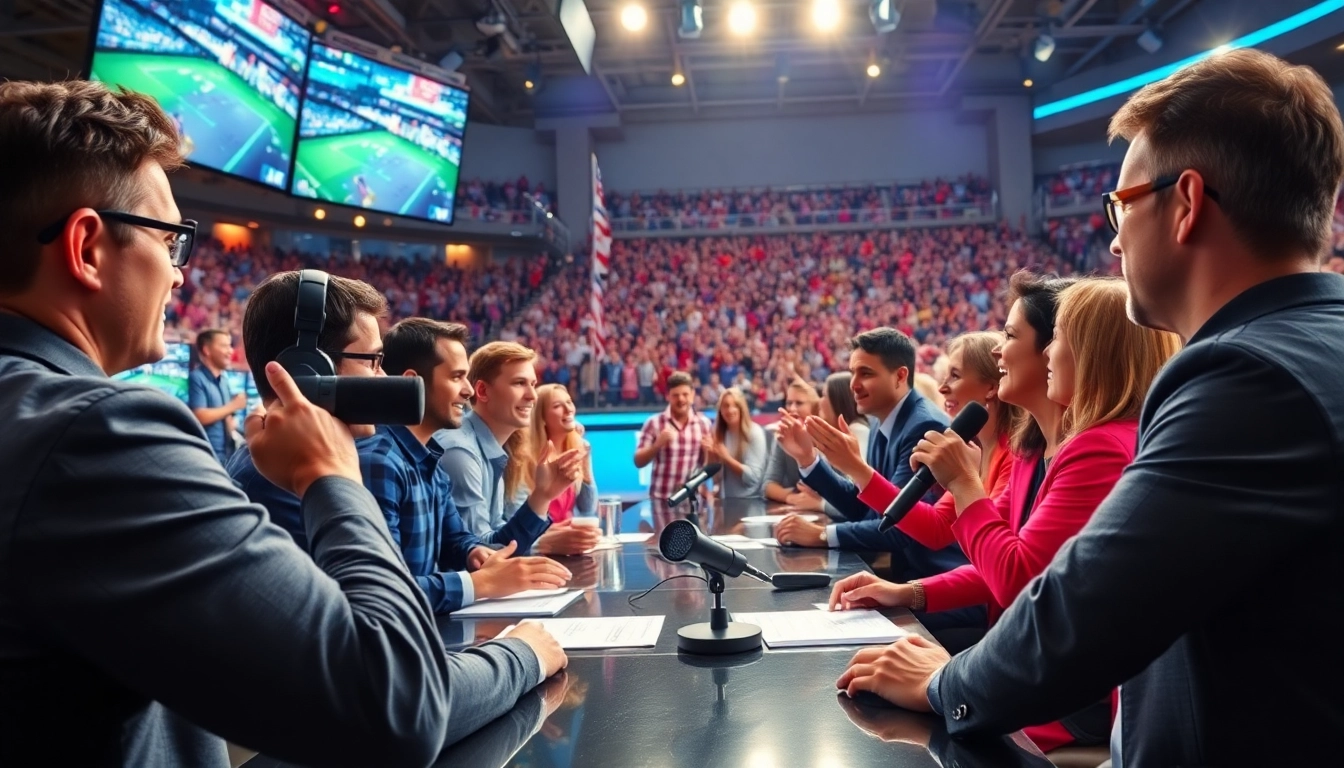
Understanding the Basics of Sports Broadcasting
What is Sports Broadcasting?
Sports broadcasting is the process of transmitting sports events and commentary through various media channels. This encompasses television, radio, and digital streaming platforms, allowing fans to engage with their favorite sports. It serves as a vital link between the events and the audience, offering insights, live coverage, and post-event analyses. With the evolution of technology, anyone interested in this field can delve deeper into the intricacies of Sports Broadcasting.
The Evolution of Sports Broadcasting
The journey of sports broadcasting has been transformative. It began with radio broadcasts in the early 20th century, where play-by-play commentary provided fans with a new way to experience sports. The advent of television brought a visual aspect to the experience, further engaging audiences with real-time visuals of games. As technology progressed, cable networks and satellite TV expanded broadcast capabilities, making sports accessible worldwide. In recent years, digital streaming services have revolutionized viewership, enabling on-demand access to sports content across devices.
Key Components of Sports Broadcasting
Several key components define successful sports broadcasting. These include:
- Live Coverage: Providing real-time updates and play-by-play details during events.
- Commentary: Analysts offer expert insights and color commentary to enhance viewer understanding.
- Interviews: Engaging with players and coaches for post-game reflections and analysis.
- Analysis: Offering breakdowns of plays and strategies that unfold during the game, thereby adding depth to the viewer's experience.
Essential Skills for Sports Broadcasters
Developing Strong Communication Skills
Effective communication is a cornerstone of successful sports broadcasting. Broadcasters must articulate thoughts clearly and engage viewers with their delivery. This includes mastering vocal tone, pacing, and modulation to keep the audience captivated. Furthermore, practicing impromptu commentary can hone the ability to respond rapidly during live broadcasts.
Research and Preparation Techniques
Preparation is essential for broadcasters. This involves researching teams, players, and statistics, ensuring factual accuracy during broadcasts. A good broadcaster will create a comprehensive game plan that includes backstories of players and anticipated strategies. Utilize analytics tools to gather relevant data that will enrich the commentary, providing viewers with insightful context and depth.
Understanding Audience Engagement
Engaging the audience is critical for maintaining interest throughout a broadcast. Broadcasters can foster this engagement through storytelling, interactive segments, and real-time polling or social media integration. Knowing the audience demographic helps tailor content that resonates and keeps viewers returning for more.
Technical Aspects of Sports Broadcasting
Broadcasting Equipment Overview
Modern sports broadcasting relies heavily on technology. Essential equipment includes high-definition cameras, professional microphones, and advanced broadcasting software. Additionally, having a reliable high-speed internet connection is necessary for seamless streaming and live broadcasting. Understanding the equipment's intricacies allows broadcasters to optimize the technology to deliver quality content.
Mastering Live Production Techniques
Live production requires precision and coordination among various teams. Key techniques involve managing the broadcasting feed, coordinating camera angles, and ensuring synchronized sound and video. Broadcasters should familiarize themselves with directing techniques and how to handle unexpected issues like equipment malfunctions or weather conditions that could affect a live game.
Utilizing Technology for Enhanced Viewing
Leveraging technology enhances the viewer experience significantly. Augmented reality (AR) and virtual reality (VR) are becoming popular trends, providing immersive experiences for sports fans. Broadcasters can utilize graphics and analytics in real-time during games, enriching the viewers' understanding and overall experience.
Best Practices in Sports Broadcasting
Building a Compelling Narrative
A compelling narrative is what captivates an audience. Every game is a story with high stakes, and broadcasters should adopt a narrative approach, understanding the context of the event. By highlighting rivalries, player journeys, and key turning points, broadcasters can create a storyline that draws viewers in and maintains their interest throughout the event.
Creating Unique Storylines in Coverage
Unique storylines are what make broadcasts stand out. Broadcasters should strive to uncover hidden narratives that may not be evident at first glance, such as player backgrounds or team dynamics. Crafting these storylines provides additional layers of engagement for the audience, making the coverage more memorable and entertaining.
Adapting to Different Broadcast Platforms
Each platform has its unique audience and preferences. Broadcasters need to adapt their style and content based on the platform—whether it's television, radio, or digital. Understanding audience behavior on each platform allows for tailored messaging, ensuring that the content resonates and is received positively by viewers across various mediums.
Future Trends in Sports Broadcasting
Impact of Streaming Services on Sports Broadcasting
Streaming services are redefining how audiences consume sports content. With flexible schedules and on-demand access, sports fans can view events anytime and anywhere. This transition has encouraged traditional broadcasters to adapt, creating partnerships with streaming platforms to reach a broader audience effectively.
Emerging Technologies and Innovations
Innovation drives the future of sports broadcasting. Advancements in AI, data analytics, and machine learning are revolutionizing how content is created and consumed. These technologies enable personalized viewer experiences and improved analytics, delivering content that resonates deeply with the target audience.
Changes in Viewer Behavior and Expectations
Modern viewers have shifted expectations. They crave engaging content that not only informs but also entertains. As a result, broadcasters must adapt to shorter attention spans and the demand for interactive and engaging experiences that tie into social media platforms. Understanding these behaviors is crucial for any broadcaster looking to thrive in this evolving landscape.
Frequently Asked Questions
What are the core functions of sports broadcasting?
Sports broadcasting primarily includes live event coverage, commentary, analysis, and engaging with fans post-event through interviews and additional content.
How can I improve my commentary skills?
Improving commentary skills can be achieved by regular practice, listening to experienced commentators, staying updated about sports, and seeking constructive feedback.
What equipment is essential for sports broadcasting?
Essential equipment for effective sports broadcasting includes high-quality microphones, professional cameras, broadcasting software, and a reliable internet connection.
How can sports broadcasters engage their audience?
Engagement can be enhanced by telling compelling stories, involving the audience through interactive segments, and utilizing social media for real-time interactions.
What trends are shaping the future of sports broadcasting?
Streaming services, artificial intelligence, and personalized content delivery are some of the leading trends influencing the future landscape of sports broadcasting.