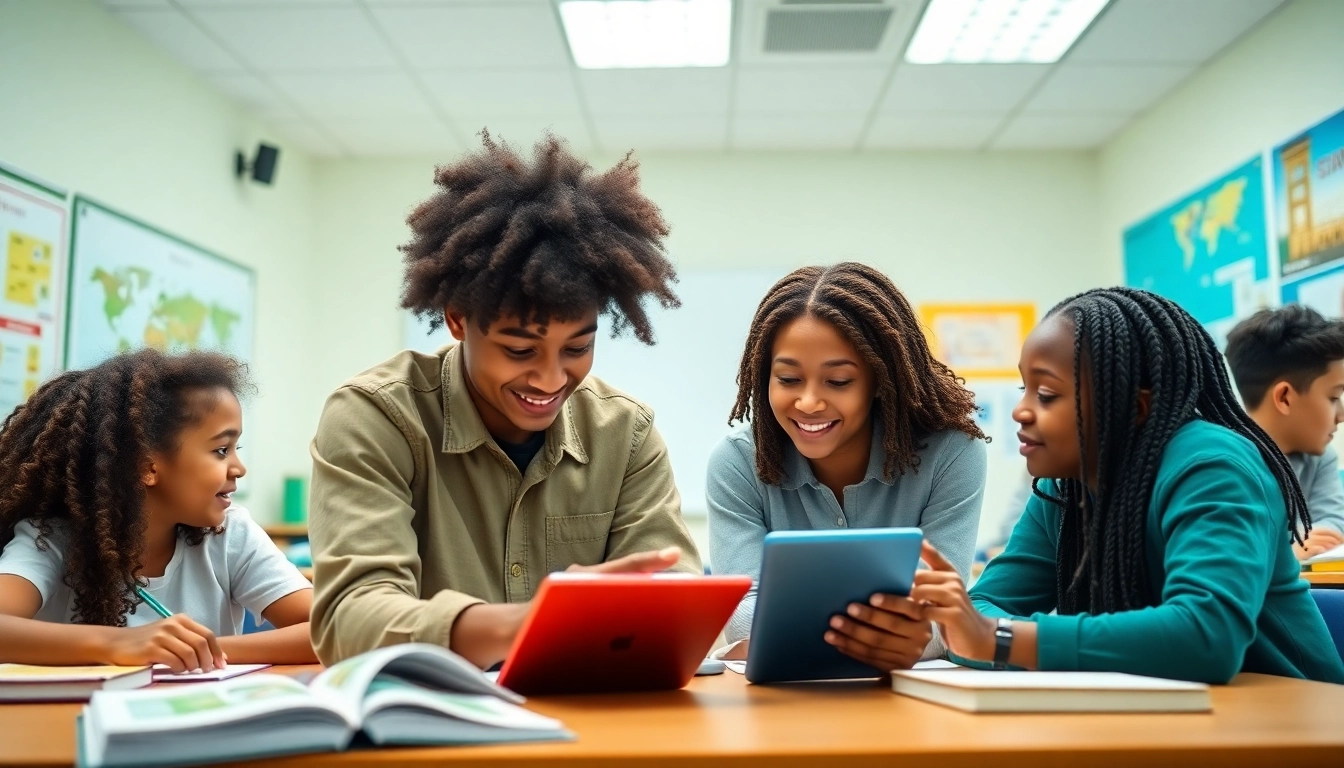
Understanding Education Equity in 2026
As we delve into the complexities of education in 2026, it is essential to recognize that education equity serves as the cornerstone for a just and thriving society. It is not merely a buzzword; it is an urgent call to action that advocates for equal access to quality education regardless of socio-economic backgrounds, race, or geographical locations. The pursuit of education equity aims to bridge the gap between underrepresented communities and their more privileged counterparts, ensuring that every learner has the opportunity to succeed. To explore further on this topic, education plays a pivotal role in shaping equitable systems that foster freedom, equality, and justice.
Defining Education Equity and Its Importance
Education equity is defined as the fair distribution of resources, opportunities, and treatment. It recognizes that different students may require different levels of support to achieve the same educational outcomes. The importance of education equity cannot be overstated; it directly influences social mobility and economic stability. When students receive equitable educational opportunities, it leads to a more skilled workforce, decreased poverty rates, and enhanced civic engagement.
Barriers to Achieving Education Equity
Despite the significant strides made towards improving education in recent years, several barriers continue to hinder progress. These barriers include:
- Poverty: Students from low-income families often lack access to essential resources such as tutoring, extracurricular activities, and even basic learning materials.
- Systemic Racism: Disparities in funding and resources often reflect underlying racial inequalities, affecting minority students disproportionately.
- Lack of Awareness: Many educators and policymakers may not fully understand what education equity entails, leading to insufficient implementation of inclusive practices.
- Policy Gaps: Outdated policies may not align with the current needs of diverse student populations.
Case Studies of Successful Education Equity Programs
Examining successful programs that have achieved education equity can provide valuable insights. One notable example is the Community Schools Initiative in New York City, which integrates academic, health, and social services to support students and families. Another successful case is the Success Academies, a network of charter schools that focuses on high-quality education for underserved students. These programs demonstrate that with the right resources and commitment, education equity can be realized.
Reforming Education for Future Generations
As we face emerging challenges in the education sector, reform is crucial to meet the needs of future generations. Educational systems must adapt to a rapidly changing world characterized by technological advancements and evolving workforce requirements.
Analyzing Current Education Reform Trends
Current trends in education reform include a focus on personalized learning, where curricula are tailored to individual student needs. Additionally, there is a growing emphasis on social-emotional learning (SEL) to foster not only academic success but also the holistic development of students. These trends reflect a shift towards more inclusive and adaptive educational environments.
Best Practices in Education Reform Implementation
Effective implementation of education reform requires a well-coordinated approach, including:
- Stakeholder Engagement: Involving educators, parents, and community members in the reform process ensures that changes meet the needs of the community.
- Clear Objectives: Establishing measurable goals helps track progress and make data-driven decisions.
- Resource Allocation: Ensuring equitable distribution of resources is vital for the success of reform initiatives.
Community Involvement in Education Reform
Engaging the community in education reform can lead to significant improvements. Programs that incorporate feedback from students and parents often result in more effective teaching strategies and better overall student outcomes. Successful community partnerships can also offer resources and support that schools may lack.
The Role of Technology in Education Innovation
In recent years, technology has played an increasingly prominent role in education, transforming traditional teaching methods and expanding access to learning opportunities.
Impact of Digital Learning Tools on Education
Digital learning tools such as online platforms and educational apps have revolutionized the way students engage with content. They offer flexibility and personalization, allowing learners to progress at their own pace while accessing a vast array of resources. Such tools can also bridge the gap for students in underserved areas by providing access to high-quality educational materials.
Future Technologies Shaping Education
Looking forward, technologies such as artificial intelligence (AI) and virtual reality (VR) are poised to further enhance the educational landscape. AI can provide real-time feedback and adaptive learning experiences, while VR can offer immersive learning environments that simulate real-world scenarios. These technologies can facilitate experiential learning and critical thinking skills essential for preparing students for future careers.
Balancing Technology with Traditional Learning Methods
While technology offers significant advantages, it is crucial to maintain a balance with traditional teaching methods. Face-to-face interaction fosters social skills and emotional intelligence, essential components of a well-rounded education. Therefore, educators must strive to integrate both approaches to create an enriched learning environment.
Advocating for New Approaches to Education
As advocates for education reform, it is vital to embrace new, innovative approaches that address the diverse needs of learners in today’s society.
Strategies for Effective Advocacy in Education
Effective advocacy involves a multifaceted approach, including:
- Research and Data Analysis: Leveraging data to support arguments for educational change helps create a compelling case for reform.
- Building Alliances: Collaborating with like-minded organizations and individuals amplifies voices advocating for education equity.
- Engagement in Policy Discussions: Advocating for education reform within local and national policy discussions ensures that the needs of diverse student populations are considered.
Collaboration Between Educators and Policymakers
Building strong relationships between educators and policymakers is essential for effective education reform. This collaboration can lead to policies that reflect the realities of classroom challenges and support innovative practices that benefit all learners.
Real-world Applications of Innovative Educational Approaches
Innovative educational approaches, such as project-based learning and interdisciplinary studies, have been successfully implemented in various schools across the country. These methods foster critical thinking, creativity, and collaboration among students, making learning more relevant and engaging.
Future Trends and Predictions in Education
As we move towards 2026, it is essential to remain vigilant about emerging trends that will shape the future of education.
Emerging Trends to Watch for in 2026
Future trends include an increased focus on mental health and well-being within educational settings. Schools are beginning to recognize the importance of addressing mental health concerns and creating supportive environments for students. Additionally, global citizenship education is gaining prominence, preparing students to navigate an interconnected world.
Preparing Educators for Future Challenges
Preparing educators for future challenges involves ongoing professional development and training. Teachers must be equipped with the skills to utilize new technologies effectively and understand the diverse needs of their students. Continuous learning opportunities will be crucial in adapting to an ever-evolving educational landscape.
Building a Sustainable Education System for All
Ultimately, building a sustainable education system requires a collective commitment to equity, innovation, and adaptability. By prioritizing education equity and embracing new approaches, we can ensure that all students have the opportunity to succeed, paving the way for a brighter future. As we look ahead, the journey toward equitable education continues to be a collaborative effort involving educators, policymakers, students, and communities alike.