Understanding the Role of a Metal Fabricator
In the dynamic world of construction and design, the importance of a skilled metal fabricator cannot be overstated. These professionals play a critical role in transforming raw materials into functional, aesthetically pleasing components that are integral to various structures, from homes to commercial buildings. In Fujairah and across the UAE, metal fabricators like Al Taher have established a reputation for quality and craftsmanship, ensuring that each project is completed to the highest standards.
What Does a Metal Fabricator Do?
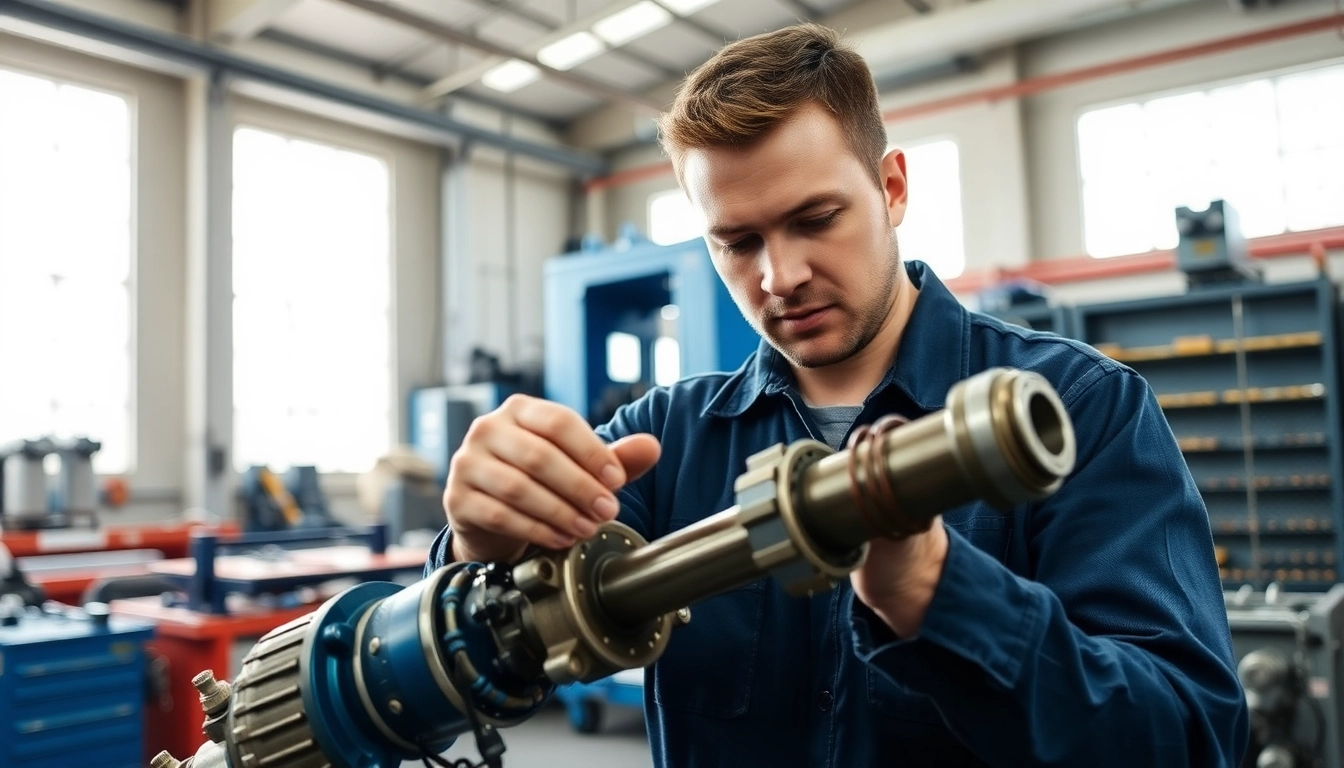
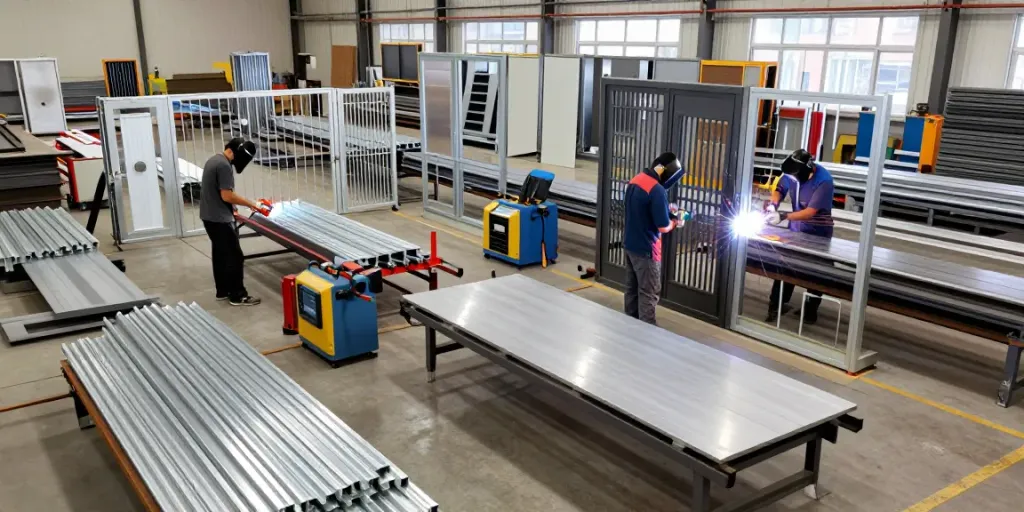
A metal fabricator is responsible for a range of tasks that involve the manipulation of metal materials to create finished products. This includes cutting, bending, welding, and assembling metal components. Fabricators work with various types of metals, such as steel, aluminum, and copper, and produce everything from gates and doors to complex structural components.
In addition to manufacturing, metal fabricators often collaborate closely with architects and designers to ensure that the end product meets specific design requirements. They may also be involved in the planning and design phases, offering insights based on their expertise to improve functionality and aesthetics. This collaborative approach is vital in creating customized solutions tailored to the needs of homeowners and contractors alike.
Key Skills and Tools of a Metal Fabricator
Successful metal fabricators possess a unique blend of technical skills and practical knowledge. Key skills include:
- Welding: Proficiency in various welding techniques is crucial for joining metal components securely.
- Blueprint Reading: Understanding technical drawings is essential for accurately fabricating components.
- Machining: Knowledge of machine operation, including saws, lathes, and CNC machines, is vital for shaping metal.
- Problem-Solving: The ability to troubleshoot and resolve issues that arise during fabrication is crucial for timely project completion.
Essential tools used by metal fabricators include plasma cutters, welding machines, band saws, and drill presses. The combination of these tools and skills enables fabricators to produce high-quality metalwork that meets industry standards.
How In-House Fabrication Enhances Quality Control
One of the significant advantages of in-house fabrication is the enhanced quality control that it allows. When a fabricator manages the entire process from design to installation, it ensures that every component is checked for quality at each stage. This eliminates the risks associated with outsourcing components to multiple suppliers, where discrepancies can lead to delays and additional costs.
At Al Taher Group, for instance, all processes from cutting to powder coating are done in-house, meaning that every project is crafted under one roof, following consistent standards. This streamlined approach not only increases efficiency but also fosters clear communication, enabling quicker adjustments when needed.
Benefits of Working with a Metal Fabricator
Engaging a skilled metal fabricator brings numerous benefits to projects, particularly in regions like Fujairah, where environmental factors must be considered. Local fabricators understand these conditions and can tailor solutions accordingly.
Cost Efficiency in Custom Metalwork
Custom metalwork often comes with the misconception that it is prohibitively expensive. However, working with a dedicated metal fabricator can actually be cost-effective in the long run. By choosing a fabricator that manages all phases of production, you can reduce labor costs and eliminate the markup from third-party suppliers.
Moreover, a fabricator can provide detailed quotes that itemize every aspect of the project, ensuring transparency throughout the budgeting process. This visibility allows clients to make informed decisions about materials and design options that fit within their financial constraints.
Timeliness and Project Management Advantages
Time is often a crucial factor for any construction project. A proficient metal fabricator can significantly reduce lead times by controlling the fabrication schedule. When working with a single source for all metal components, delays caused by coordinating between different subcontractors are minimized.
For example, Al Taher Group typically completes custom gates in about 2–3 weeks from design approval and railings in 1–2 weeks. These timelines are predictable because everything is managed internally, fostering a reliable workflow that keeps projects moving forward.
Customization and Design Flexibility
Another key advantage of partnering with a metal fabricator is the level of customization available. Whether you envision a modern aluminum gate or a classic wrought iron door, a skilled fabricator can bring your ideas to life. Their ability to work closely with clients ensures that specific requirements and preferences are incorporated into the final product.
Additionally, the flexibility of a fabricator means that design revisions can be accommodated without beginning the project anew—a common challenge with companies that outsource work. Clients can modify designs mid-project without the complications of renegotiating contracts or timelines.
Common Challenges in Metal Fabrication Projects
While metal fabrication offers many advantages, it is not without its challenges. Being aware of these can help clients navigate potential pitfalls and ensure a smooth collaboration with their chosen fabricator.
Understanding Material Limitations
Every material has its inherent characteristics and limitations. Metal fabricators must be well-versed in the properties of various metals and how they respond to different treatments and environments. For instance, aluminum is lightweight and resistant to corrosion, making it ideal for exterior applications, while steel is used for its strength in structural applications.
Choosing the right material for the specific application is crucial to the success of any project. An experienced fabricator can provide guidance on the best options based on environmental conditions and the intended use of the finished product.
Addressing Environmental Concerns and Corrosion
In coastal regions like Fujairah, exposure to salt air can significantly impact the longevity of metal components. Corrosion is a primary concern, especially for outdoor structures. To combat this, fabricators must implement effective protective measures such as high-quality powder coating and regular maintenance plans.
At Al Taher, for example, understanding the influences of the local climate allows for the selection of materials and finishes that enhance durability and performance, ensuring that the fabricated components withstand the test of time.
Managing Client Expectations and Revisions
Effective communication is essential in managing client expectations, particularly when it comes to timelines and project revisions. A clear briefing process that outlines what is feasible within the given budget and timeframe can mitigate misunderstandings.
Additionally, involving clients in the review process helps ensure that any changes are communicated and managed promptly, preventing potential delays and ensuring satisfaction with the final outcome.
Best Practices for Collaboration with a Metal Fabricator
Collaborating with a metal fabricator can lead to successful outcomes when both parties are aligned in their goals and expectations. Adhering to best practices can facilitate smoother communication and enhance project results.
Effective Communication and Briefing Techniques
Communication is the cornerstone of any successful collaboration. Clients should provide a comprehensive brief that outlines their vision, including detailed dimensions, materials preferences, and design inspiration. This sets a clear foundation from which the fabricator can work.
Regular updates and feedback loops throughout the fabrication process can also ensure that any issues are addressed promptly, minimizing the chances of error and miscommunication.
Setting Realistic Timelines and Budgets
Both parties should agree on realistic timelines and budgets from the outset. Understanding that changes or customization may require additional time or costs can foster a more constructive working relationship. Itemized quotes from fabricators can help clients visualize where their funds are allocated and make informed decisions accordingly.
Monitoring Quality Throughout the Fabrication Process
Quality control should be a continuous process throughout fabrication. Clients should feel empowered to inquire about materials, techniques, and progress to ensure that the project aligns with their expectations. Regular check-ins with the fabricator can allow for adjustments before the final product is delivered.
Future Trends in Metal Fabrication for 2026 and Beyond
The metal fabrication industry is continuously evolving, influenced by advancements in technology and changing market demands. Staying informed about trends helps clients make educated decisions regarding their projects.
Emerging Technologies Transforming the Metal Industry
Advancements in technology are leading to greater efficiency and precision in metal fabrication. Tools like CNC machines and robotic welding systems are automating processes that were once manual, resulting in higher accuracy and reduced labor costs.
These innovations not only speed up production times but also enhance the quality of the finished products, making them more competitive in the market.
Eco-Friendly Practices in Metal Fabrication
As sustainability becomes a priority across industries, metal fabrication is also adapting. Eco-friendly practices such as recycling scrap metal and using less harmful finishes are becoming standard. Fabricators are increasingly being held accountable for their environmental impact, prompting them to adopt greener methods.
Clients who value sustainability can seek out fabricators who prioritize eco-friendly practices, ensuring that their projects align with their environmental values.
Predictions for Market Demand and Innovation
The demand for customized metalwork is expected to grow, driven by trends in home improvement and commercial construction. As clients seek unique solutions that reflect personal style, fabricators who can offer bespoke services will be well-positioned for success.
Innovation within the industry will continue to focus on enhancing the quality and functionality of metal products, with an increasing emphasis on durability and design flexibility.
What are Common Misconceptions about Metal Fabricators?
Many potential clients hold misconceptions about the capabilities of metal fabricators. A common belief is that fabricators can only handle large-scale projects. In reality, skilled fabricators are often equipped to take on both small and large projects. This flexibility is an asset for homeowners looking to enhance their properties with unique metal features.
How Much Do Metal Fabricators Charge for Services?
The cost of metal fabrication varies widely based on several factors, including material type, project complexity, and customization levels. Generally, it is advisable for clients to obtain multiple quotes to ensure competitive pricing while also considering the quality of service and product.
Do Metal Fabricators Take On Small Projects?
Yes, many metal fabricators are happy to engage in smaller projects. Whether it's creating a custom railing for a staircase or a decorative metal panel, fabricators understand the importance of smaller jobs and often provide dedicated service to achieve the clients' visions.
What Materials Do Metal Fabricators Work With?
Metal fabricators typically work with a variety of materials including aluminum, stainless steel, carbon steel, and bronze. Each material has its unique characteristics and applications, and a skilled fabricator can guide clients on the best options based on their needs and project specifications.
Which Industries Benefit Most from Metal Fabricators?
Metal fabricators serve diverse industries, including construction, automotive, aerospace, and manufacturing. Each sector relies on tailored solutions, whether it’s structural components for buildings or intricate parts for machinery, showcasing the versatility and necessity of skilled fabrication in the modern economy.