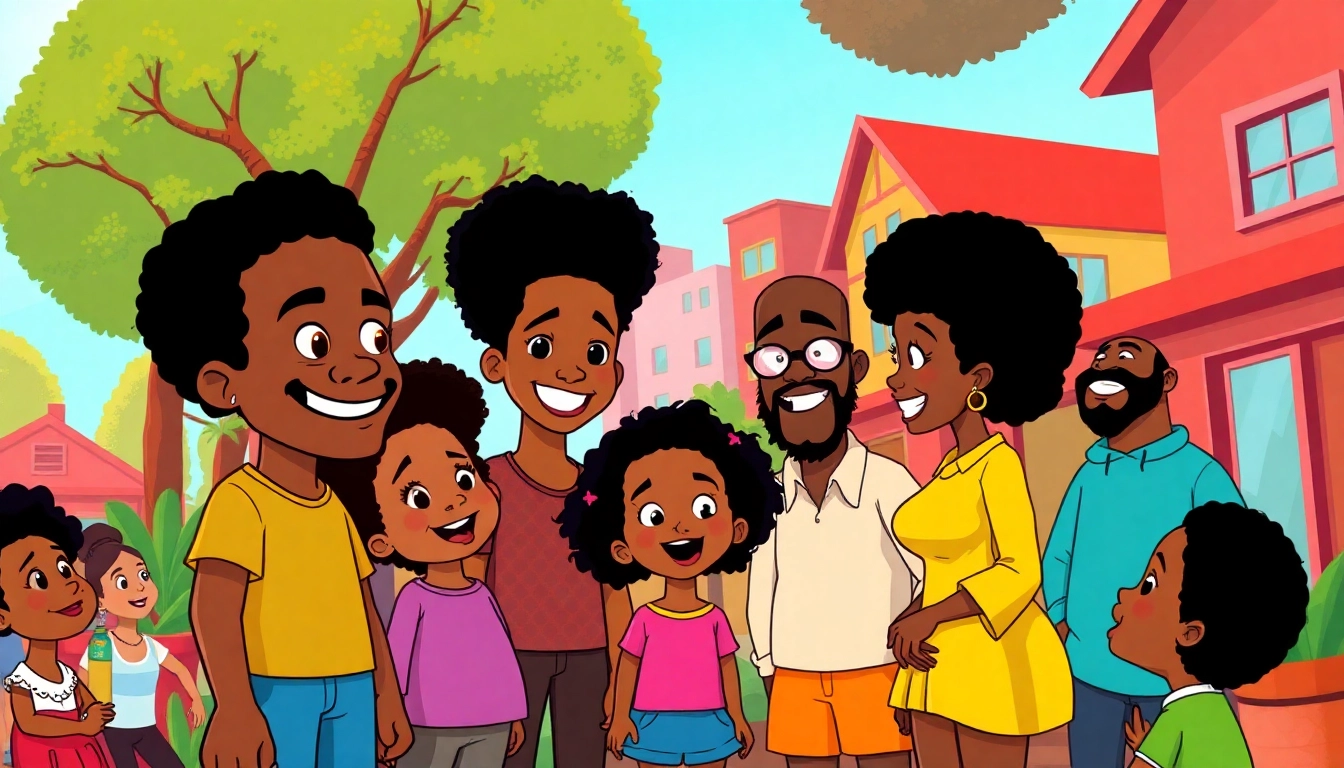
The Rich History of African American Cartoons
The world of animation has long been a dynamic canvas reflecting cultural narratives, and African American cartoons are no exception. With a rich history that spans decades, these animated series and films have not only entertained but have also provided profound insights into the African American experience. From early depictions filled with stereotypes to modern, nuanced storytelling, the evolution of African American cartoons showcases progress in representation and artistry. Exploring this genre not only reveals the creativity and resilience of its creators but also highlights the importance of diverse narratives in animation. For those interested in delving deeper into the vibrant world of African American Cartoons, understanding their impact is paramount.
1. Early Beginnings and Influential Figures
The inception of African American cartoons can be traced back to the early 20th century, a time when racial stereotypes were rampant in media. Pioneers such as Oscar Micheaux laid the groundwork for later animators by creating films that challenged prevailing narratives. The portrayal of black characters was often simplistic, which reflected the societal attitudes of the time. However, figures like Bob Clampett began introducing more dynamic characters in the 1940s with characters like "Sugarfoot" in the popular cartoon "Porky Pig" series, albeit still with a stereotypical lens.
2. Evolution Through the Decades
The evolution of African American cartoons took a significant turn in the 1970s and 1980s, thanks to the works of influential creators. Shows like "Fat Albert and the Cosby Kids," created by Bill Cosby, highlighted nuanced storylines and relatable characters, offering a more accurate representation of African American culture. The 1990s brought about "The Fresh Prince of Bel-Air," which, though live-action, laid the groundwork and influenced animated adaptations, leading to shows like "The Boondocks." These programs featured social commentary and humor, setting a new standard for animated series.
3. Cultural Impact and Representation
African American cartoons have played a crucial role in shaping cultural identity and consciousness. Through storytelling, they tackle themes such as racism, family dynamics, and the quest for identity, resonating with audiences of all backgrounds. Recent productions like "Craig of the Creek" and "The Proud Family: Louder and Prouder" have continued this legacy, blending humor with relevant dialogues about race and culture, making them essential viewing for children and adults alike.
Top African American Cartoons in 2026
As we look into 2026, it's clear that the landscape of African American cartoons is more vibrant than ever. New series are emerging that reflect contemporary issues while honoring the rich history of animated storytelling. Below are some of the must-watch series that highlight this evolution.
1. Must-Watch Series for All Ages
- “Young Justice” - This critically acclaimed series features a diverse cast of characters, including iconic black superheroes, and offers a mature take on adolescent issues.
- “The Proud Family: Louder and Prouder” - This reboot tackles modern themes of representation while maintaining the humor and warmth of the original series.
- “Supa Strikas” - An animated series that emphasizes teamwork and friendship while showcasing diverse characters from across the globe.
2. Groundbreaking Characters Redefining Animation
Representation matters, and the characters that emerge from African American cartoons often defy stereotypes. For instance, the character of Huey Freeman from "The Boondocks" is known for his sharp social commentary and activism, challenging viewers to think critically about societal issues. Characters like these are essential to broadening the horizons of animated storytelling.
3. Hidden Gems You Might Have Missed
- “Kazoops!” - An imaginative series that encourages creativity and problem-solving through the eyes of a young boy and his pet pig.
- “Big Mouth” - While edgy and geared towards adults, it explores the complexities of adolescence with humor and heart.
- “Motown Magic” - A musical adventure that takes viewers through the iconic sounds of Motown while celebrating African American culture.
Understanding the Artistic Styles of African American Animation
The artistic styles of African American animation reflect a diverse range of influences, blending traditional and contemporary techniques to create compelling visuals that resonate with audiences. This diversity in artistry is not only a representation of the culture it stems from but also a celebration of creativity.
1. Distinctive Visuals and Themes
Many African American cartoons employ bold color palettes and dynamic character designs. For example, "The Boondocks" uses a unique art style reminiscent of manga, effectively merging cultures and showcasing the versatility of animation. Themes often revolve around community, resilience, and the complexities of identity.
2. Influential Art Styles in This Genre
Traditional African art and contemporary urban culture greatly influence many African American cartoons. This fusion creates a distinct visual language that is instantly recognizable. It encompasses everything from character design to background art, allowing creators to communicate profound messages visually.
3. The Role of Music and Sound in Storytelling
Music plays a pivotal role in setting the tone and enhancing the storytelling experience in African American cartoons. Shows like "The Proud Family" and "Motown Magic" seamlessly integrate music into their narratives, using it as a tool for character development and emotional depth.
Addressing Common Misconceptions
Despite the progress made, misconceptions surrounding African American cartoons persist. Understanding these myths is essential for appreciating the depth and breadth of this animated genre.
1. Stereotypes vs. Authentic Representation
One common misconception is that all African American cartoons rely on stereotypes. While some may have done so historically, many current shows are committed to authentic representation. Characters are now often portrayed with depth, personality, and individuality, offering a more accurate reflection of the community.
2. Diversity Within African American Cartoons
Another misconception is that there is a lack of diversity within African American cartoons. In reality, the genre encompasses a wide range of narratives, styles, and character backgrounds, showcasing the complexities within the African American experience. This diversity is essential for fostering understanding and connection among viewers.
3. The Importance of Cultural Narratives
Cultural narratives in African American cartoons are vital in promoting self-acceptance and resilience. They present stories that resonate with audiences facing similar challenges, fostering a sense of belonging and empowerment. By telling these stories, the animation industry can positively influence societal perceptions and attitudes.
Future Trends in African American Animation
The trajectory of African American cartoons is poised for exciting developments in the coming years. As representation becomes increasingly prioritized, future trends indicate a more inclusive and diverse animation landscape.
1. Predictions for the Animation Landscape in 2026
In 2026, we can expect to see even more African American characters leading animated series, breaking down barriers that have traditionally limited representation. New storytelling formats, including interactive and episodic content, will likely emerge, making narratives accessible to a broader audience.
2. How Technology is Shaping New Narratives
Advancements in technology are revolutionizing animation production, allowing creators to experiment with new techniques and styles. This evolution will likely lead to unique visual storytelling methods that reflect contemporary issues through a cultural lens, enriching the overall narrative experience.
3. The Role of Streaming Services in Accessibility
Streaming platforms are increasingly vital in promoting African American cartoons. They provide a global stage for creators to showcase their work without the traditional barriers of network television. This accessibility will not only bring diverse narratives to wider audiences but also encourage higher production quality and innovative storytelling.