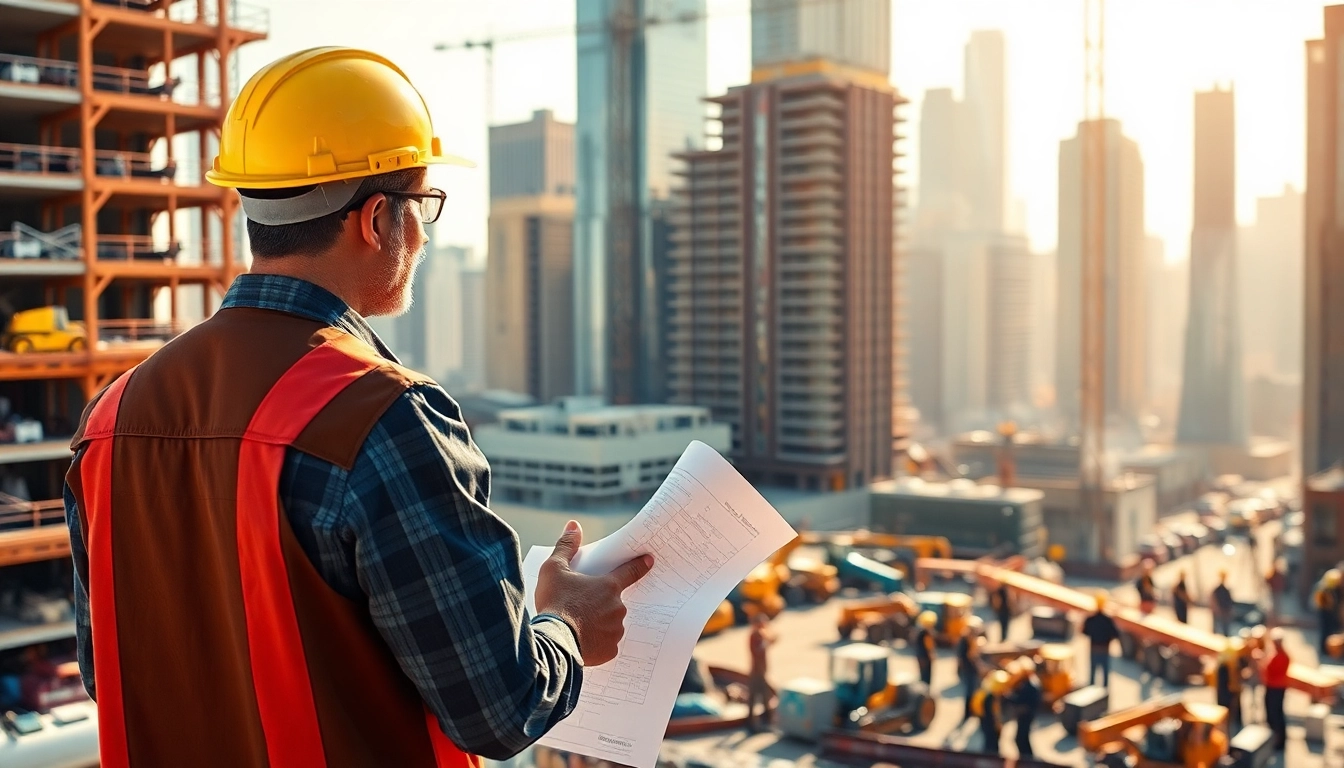
The Importance of a Manhattan Construction Manager in Urban Projects
Urban construction projects in Manhattan require skilled management to navigate the intricate landscape of city regulations and logistical challenges. A Manhattan Construction Manager plays a pivotal role in shaping these projects by ensuring efficiency, quality, and safety throughout the construction process. Their expertise extends beyond conventional responsibilities, making them indispensable in urban development.
Understanding the Role and Responsibilities
The core responsibilities of a Manhattan Construction Manager encompass project planning, resource allocation, and stakeholder communication. They act as the primary liaison between clients, contractors, and local authorities, ensuring that the project adheres to set timelines and budgets. Additionally, their role includes:
- Project Estimation and Budgeting: Developing comprehensive budgets based on project specifications and local market conditions.
- Timeline Management: Creating detailed project schedules to track progress and ensure timely completion.
- Quality Control: Establishing quality standards and conducting regular inspections to maintain high building standards.
- Resource Management: Coordinating materials and labor resources, ensuring optimal usage to prevent delays.
Key Skills Required for Success
To excel as a Manhattan Construction Manager, professionals must possess a blend of technical, interpersonal, and organizational skills. Key competencies include:
- Leadership: Inspiring and managing teams to work cohesively toward project goals.
- Problem-Solving: Quickly addressing challenges that arise during construction, including unforeseen site conditions and supply chain issues.
- Communication: Effectively conveying information across diverse groups, from subcontractors to municipal officials.
- Negotiation: Balancing stakeholder interests while securing favorable terms with suppliers and subcontractors.
The Impact on Project Quality and Efficiency
The efficacy of a Manhattan Construction Manager directly influences project quality and efficiency. By utilizing advanced project management methodologies such as Agile or Lean, construction managers can streamline workflows and enhance productivity. Furthermore, establishing a culture of quality ensures that all team members are committed to excellence. The combination of these approaches leads to:
- Reduced Rework: Clear guidelines and quality standards minimize errors.
- Increased Customer Satisfaction: Timely project completion within budget enhances client satisfaction.
- Enhanced Safety: Robust management practices minimize workplace accidents.
Planning and Execution: A Manhattan Construction Manager's Approach
The effectiveness of urban construction largely hinges on meticulous planning and execution. A Manhattan Construction Manager employs various strategies to ensure projects run smoothly from inception to completion.
Strategic Project Planning Essentials
Strategic planning begins with a comprehensive project analysis that includes site assessment, feasibility studies, and stakeholder consultations. This phase lays the groundwork for success through:
- Risk Assessment: Identifying potential risks and developing mitigation strategies.
- Timelines and Milestones: Establishing clear deadlines and critical milestones to track progress.
- Resource Allocation: Determining the necessary tools, materials, and personnel needed for each phase.
Implementation Strategies for Urban Developments
Once planning is completed, the implementation phase begins. A Manhattan Construction Manager focuses on executing plans effectively while adapting to real-time changes. Effective strategies include:
- Progress Monitoring: Utilizing project management software to track real-time project progress against the established plan.
- Regular Team Meetings: Ensuring consistent communication and alignment among team members.
- Pre-emptive Problem Solving: Identifying potential issues before they escalate and implementing corrective measures quickly.
Adapting to Challenges: Navigating Urban Regulations
Navigating New York City's complex regulatory environment is one of the biggest challenges faced by Manhattan Construction Managers. To thrive under these constraints, managers must:
- Stay Informed on Regulations: Keeping up to date with building codes, health and safety regulations, and zoning laws to avoid legal complications.
- Engage with Local Authorities: Building relationships with city officials and departments to streamline the permitting process.
- Implement Sustainable Practices: Ensuring compliance with sustainability initiatives can enhance project viability while meeting regulatory demands.
Collaboration in Construction: The Manhattan Construction Manager’s Team
A Manhattan Construction Manager's effectiveness is significantly impacted by their ability to cultivate collaboration among various stakeholders in a project.
Building Efficient Communication Channels
Effective communication is key to successful collaboration. This begins with establishing clear communication protocols that include:
- Diverse Communication Tools: Using project management platforms for updates and real-time communication.
- Regular Briefings: Conducting frequent drop-in meetings to foster transparency and collaboration.
- Feedback Mechanisms: Creating spaces where team members can share feedback and suggestions for continuous improvement.
Fostering a Collaborative Work Environment
A collaborative work environment enhances creativity and efficiency. Construction Managers can foster this environment by:
- Encouraging Team Building: Organizing team-building activities that promote rapport among team members.
- Recognizing Contributions: Acknowledging individual and team efforts boosts morale and motivation.
- Conflict Resolution: Implementing effective conflict resolution strategies to address disputes promptly and professionally.
Role of Technology in Enhancing Team Dynamics
Incorporating technology into project management boosts collaboration significantly. Relevant technologies include:
- Building Information Modeling (BIM): Promotes a collaborative approach to design and construction.
- Mobile Applications: Enables team members to stay connected and informed from job sites.
- Cloud-Based Platforms: Facilitates document sharing and communication across various construction teams.
Safety Protocols in Urban Construction
Implementing robust safety protocols is essential in urban construction sites where risks are heightened due to complex environments and regulations.
Establishing Safety Standards and Guidelines
A Manhattan Construction Manager is responsible for establishing comprehensive safety protocols. This includes:
- Developing Safety Policies: Outlining clear safety measures for all site activities.
- Conducting Risk Assessments: Regularly assessing potential hazards on site and updating safety measures accordingly.
- Compliance with Regulations: Ensuring all practices meet OSHA and city regulations to mitigate liability issues.
Training and Awareness Programs for Workers
Training programs are critical for reducing workplace accidents. Effective strategies include:
- Regular Safety Training: Conducting frequent training sessions to reinforce safety awareness.
- Simulation Drills: Running drills for emergency procedures ensures workers know how to react in case of an incident.
- Incentives for Safety Compliance: Establishing reward systems for teams that consistently adhere to safety protocols.
Monitoring and Reporting Safety Compliance
Consistent monitoring and reporting are essential in maintaining safety standards. Methods to enhance compliance include:
- Regular Inspections: Conducting scheduled and unscheduled safety inspections to ensure adherence.
- Incident Reporting Systems: Establishing a system for reporting incidents and near misses fosters a culture of accountability.
- Feedback from Workers: Encouraging workers to provide feedback about safety concerns promotes proactive management of risks.
Future Trends Impacting Manhattan Construction Managers
As urban construction continues to evolve, Manhattan Construction Managers must remain vigilant about emerging trends that impact the industry.
Sustainability Practices in Urban Construction
Fonting sustainability practices is no longer optional; it is a necessity in urban development. Managers can implement effective sustainability strategies by:
- Implementing Green Building Standards: Following LEED or equivalent standards to ensure environmentally-conscious construction.
- Utilizing Renewable Resources: Incorporating materials and technologies that reduce carbon footprints.
- Promoting Eco-Friendly Practices: Fostering a culture of sustainability among teams through education and involvement.
Innovation and Technology Advancements
Technological advancements are transforming construction methodologies. Staying updated on innovations helps managers to:
- Adopt Smart Technologies: Utilizing IoT and automation systems to improve efficiency on site.
- Embrace Prefabrication: Implementing prefabricated components to reduce on-site work and enhance quality.
- Leverage Data Analytics: Using data analytics to predict project outcomes and streamline decision-making processes.
Preparing for Evolving Urban Development Needs
Urban development is adapting to changing demographics and societal needs, and construction managers must anticipate these shifts. Strategies include:
- Community Engagement: Involving local residents in planning processes to better meet their needs.
- Flexible Design Approaches: Creating adaptable designs that can evolve with changing demands.
- Understanding Market Trends: Analyzing market trends and data to forecast future construction needs.