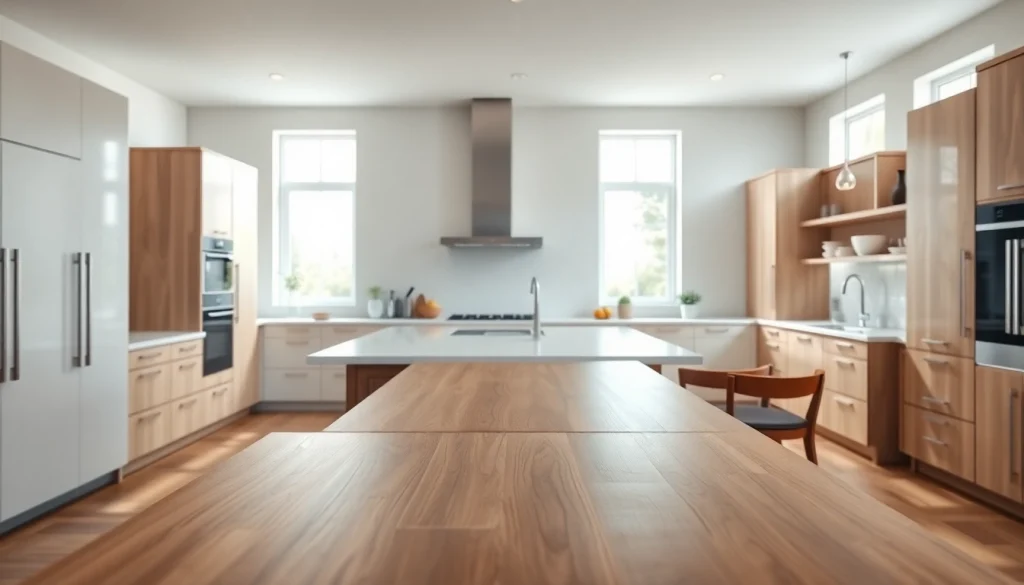
Understanding Kitchen Remodeling Essentials
Embarking on a kitchen remodeling project can be both exciting and overwhelming. This pivotal part of your home deserves careful consideration and planning to ensure the end result aligns with your vision and lifestyle. Whether you’re seeking to enhance aesthetics, improve functionality, or increase property value, understanding the key components and processes involved in kitchen remodeling is essential. In this guide, we’ll explore everything from setting goals to measuring success.
Defining Your Remodeling Goals
Before diving into the exciting world of design and decor, it’s crucial to establish your remodeling goals. What are you hoping to achieve with this remodel? Are you focusing on creating a more modern look, improving functionality, or increasing your home’s value? Here are a few key considerations:
- Functionality: Consider how you can optimize your kitchen layout to enhance workflow. This might involve rethinking the location of appliances, countertops, and storage.
- Aesthetics: Determine the style you want to achieve. Are you looking for a sleek, contemporary finish or a warm, rustic feel?
- Budget: Decide how much you’re willing to spend and what aspects of the kitchen are most important to invest in.
By clearly defining your goals, you can create a roadmap to guide your decisions throughout the remodeling process.
Key Design Elements to Consider
Once your goals are set, consider the fundamental design elements that will shape your kitchen’s overall look and usability. These include:
- Cabinetry: Cabinets are typically one of the largest expenses in a kitchen remodel. Consider not only the design but also the materials and finishes that reflect your personal style.
- Countertops: From granite and quartz to laminate and butcher block, choose a countertop material that fits your aesthetic and practical needs.
- Lighting: Proper lighting can transform the space. Think about under-cabinet lighting, pendant lights, and overall room illumination.
- Appliances: Determine the most functional and efficient appliances that align with your cooking style.
- Flooring: Kitchen flooring should be durable and easy to clean, with options ranging from tile to hardwood.
Choosing these elements wisely can greatly enhance both the beauty and functionality of your kitchen.
Budgeting for Your Kitchen Remodeling Project
Creating a realistic budget is one of the most critical steps in kitchen remodeling. Here are strategies for effective budgeting:
- Research Costs: Get estimates on materials and labor to understand average costs for your desired upgrades.
- Prioritize Expenses: Rank your wishlist items by importance and allocate your budget accordingly.
- Plan for Contingencies: It’s advisable to set aside 10-20% of your budget for unexpected costs that may arise during the remodeling process.
By having a thorough and well-planned budget, you can minimize financial stress and make informed decisions throughout your project.
Top Trends in Kitchen Remodeling
The field of kitchen design continues to evolve, with new trends emerging each year. Staying updated on these trends can inspire your choices and ensure your redesigned kitchen feels contemporary. Here are some standout trends to consider:
Embracing Open Spaces
One of the most significant trends in kitchen remodeling is the shift towards open-concept designs. By removing barriers between the kitchen and adjacent living spaces, you create an inviting atmosphere that’s perfect for entertaining and family interaction. Here are ways to embrace this trend:
- Combine Spaces: If possible, consider removing walls to create a seamless flow between your kitchen, dining, and living areas.
- Use a Kitchen Island: A large island can serve as a multifunctional space for cooking, dining, and socializing.
- Integrated Design: Choose cabinetry and decor that matches or complements adjacent rooms for a cohesive look.
Sustainable Materials and Practices
As environmental consciousness grows, incorporating sustainable materials and practices into your kitchen remodel is becoming increasingly popular. Consider the following options:
- Recycled and Upcycled Materials: Explore countertops, cabinets, and flooring made from recycled materials.
- Energy-Efficient Appliances: Invest in Energy Star appliances that reduce energy consumption.
- Sustainable Wood Sources: Opt for wood products certified by organizations like the Forest Stewardship Council.
Incorporating these elements not only benefits the environment but also creates a healthier home.
Smart Technology Integration
Smart technology is revolutionizing kitchen design, bringing convenience and efficiency to the forefront. Here are smart features to consider:
- Smart Appliances: Choose refrigerators, ovens, and dishwashers that can be controlled via mobile apps.
- Automated Lighting: Implement smart lighting systems that can be programmed or controlled remotely.
- Voice-Activated Assistants: Integrate devices like Amazon Alexa or Google Home to control various kitchen functions hands-free.
Planning Your Kitchen Remodeling Timeline
A well-structured timeline is essential for any remodeling project, ensuring that the completion process is smooth and manageable. Here’s how to create an effective planning timeline:
Step-by-Step Planning Process
The planning process involves several phases and tasks that should be executed in a logical order:
- Initial Design Concepts: Start sketching your ideas and gathering inspiration to visualize the end result.
- Hire Professionals: If necessary, enlist designers and contractors to bring your vision to life.
- Finalize Plans and Permits: Secure any necessary permits required for structural changes.
- Schedule Construction: Plan an estimated timeline for demolition, construction, and final touches.
Choosing the Right Contractors
Selecting the right contractors can significantly impact the success of your kitchen remodeling. Here are tips to ensure you choose wisely:
- Research and Recommendations: Look for contractors with strong reputations and ask for recommendations from friends or family.
- Review Portfolios: Check their past work to see styles and quality that match your vision.
- Ask for Estimates: Get multiple estimates to compare costs, project timelines, and service offerings.
Permits and Regulations to Keep in Mind
Depending on the scope of your renovation, you may need to obtain permits. Here are key points to consider:
- Local Building Codes: Familiarize yourself with local regulations regarding kitchen remodels.
- Permits for Structural Changes: If altering layouts, ensure you acquire the necessary building permits.
- Inspections: Some projects may require inspections for safety and compliance post-renovation.
Common Challenges in Kitchen Remodeling
While remodeling can be fulfilling, it often comes with challenges. Anticipating common issues can help you mitigate them effectively.
Dealing with Unexpected Costs
Unexpected expenses can be a major source of stress during remodeling. To manage this, consider these strategies:
- Thorough Planning: Invest time in comprehensive planning to minimize surprises.
- Contingency Budget: Set aside funds for unforeseen expenses that may arise during the project.
- Regular Check-ins: Maintain open communication with contractors to stay informed about potential issues.
Design Miscommunications and Solutions
Miscommunication between homeowners and designers can lead to frustrations. Here’s how to ensure clarity:
- Detailed Briefs: Provide a detailed design brief that outlines your expectations and preferences.
- Visual References: Use mood boards or images to convey your ideas more effectively.
- Regular Updates: Schedule regular check-ins to discuss progress and make needed adjustments.
Living Without a Kitchen: Temporary Solutions
Remodeling can disrupt daily living. Here are tips for navigating this phase:
- Set Up a Temporary Kitchen: Designate a space where you can set up a basic cooking area with essential appliances.
- Meal Prep: Consider preparing meals in advance to minimize the need for cooking.
- Utilize Outdoor Grilling: If possible, use an outdoor grill for simple meals and cooking.
Measuring Success in Your Kitchen Remodeling
After your kitchen is remodeled, it’s vital to evaluate its success in achieving your initial goals. Here’s how to measure the effectiveness of your project:
Key Performance Metrics to Evaluate
Establish metrics to determine how well your kitchen meets your needs. Consider the following:
- Functionality: Analyze if the workflow has improved and if all necessary elements are conveniently accessible.
- Budget Adherence: Reflect on whether the final costs aligned with your budget estimates.
- Aesthetic Satisfaction: Assess your personal satisfaction with the new design and decor elements.
Post-Remodeling Satisfaction Surveys
Consider conducting a satisfaction survey, either with yourself or your family, to gauge how well the kitchen remodel meets expectations. Questions to ask can include:
- What features do you love most?
- What would you change if given the chance?
- Has the kitchen improved your cooking experience?
Showcasing Your Finished Kitchen
Once completed, your newly remodeled kitchen deserves to be highlighted. Here are some ideas for showcasing:
- Host a Reveal Party: Invite friends and family over to celebrate the transformation.
- Document the Process: Share before-and-after photos on social media or create a blog post detailing your remodeling journey.
- Incorporate Personal Touches: Add personal decor items that represent your style to make the kitchen feel like home.
FAQs
What is the average cost of a kitchen remodel?
The average cost varies greatly depending on size and materials, but it typically ranges from $12,000 to $35,000.
How long does a kitchen remodel take?
The timeline depends on project complexity but averages between 6 to 12 weeks from planning to completion.
Can I remodel my kitchen on a budget?
Yes! Prioritize key elements and consider DIY options to reduce costs while still achieving your goals.
Do I need a permit for my kitchen remodel?
It depends on the scope of work. Structural changes typically require permits, while cosmetic updates may not.
What are some popular kitchen styles?
Popular styles include contemporary, farmhouse, industrial, and traditional, allowing for various design preferences.