Top Recommendations for the Best Nonstick Pan NZ: Cook with Confidence
Understanding Nonstick Pans
What is a Nonstick Pan?
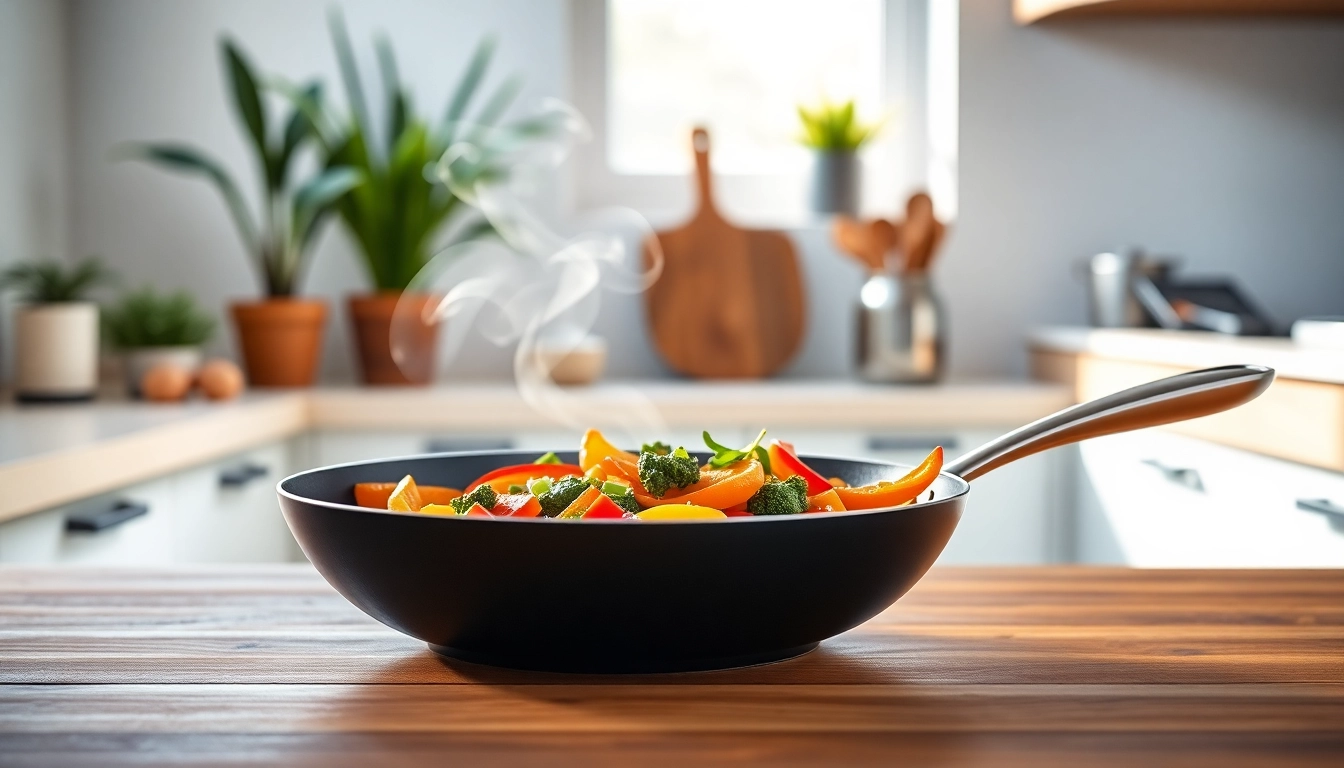
A nonstick pan is a cooking utensil designed to prevent food from adhering to the surface during cooking. This innovative cooking tool typically comes coated with a layer that allows for easy food release and uncomplicated cleanup. The widespread appeal of nonstick pans lies in their ability to facilitate healthier cooking methods by reducing the need for excessive oil or butter.
How Nonstick Coating Works
The coating used in nonstick pans is typically made from polytetrafluoroethylene (PTFE), more commonly known by the brand name Teflon. This coating creates a low-friction surface that effectively repels food. The process involves applying a synthetic polymer layer to the surface of the pan, which is then heated to bond securely. Other nonstick alternatives include ceramic coatings, which utilize a silica-based material that also provides excellent food release properties without the use of PTFE.
Benefits of Using Nonstick Pans
Using nonstick pans offers a multitude of benefits. Their primary advantage is convenience—cooking and cleanup become straightforward tasks, allowing for quick meal preparation. Additionally, nonstick pans generally require less oil, promoting healthier cooking practices. They are also lightweight and versatile, making them suitable for various cooking styles. Furthermore, many nonstick pans come with additional features, such as induction compatibility, making them an efficient choice for modern kitchens.
Choosing the Best Nonstick Pan NZ
Key Features to Look For
When searching for the best nonstick pan NZ, it is crucial to consider several key features:
- Nonstick Coating: Look for durable coatings that can withstand daily use. High-quality PTFE or ceramic options are preferred.
- Size: The size of the pan should match your cooking needs. Common sizes range from 20 cm to 30 cm, with larger options available for family meals.
- Compatibility: Ensure the pan is suitable for your stovetop type, whether gas, electric, or induction.
- Handles: Ergonomic handles that stay cool during cooking enhance safety and comfort.
- Oven Safe: Check if the pan can be used in the oven, which expands its versatility.
Popular Sizes and Designs
Nonstick pans come in various sizes and designs to cater to different cooking styles and preferences. Standard sizes include:
- 20 cm (8-inch): Ideal for single servings or cooking eggs.
- 25 cm (10-inch): A versatile size for everyday cooking.
- 30 cm (12-inch): Suitable for family meals and larger batches.
Designs may vary from classic round shapes to specialty styles like square or grill pans. Ultimately, the choice depends on personal cooking preferences and kitchen space.
Material Differences Explained
The materials used in nonstick pans significantly influence their performance and durability:
- Ceramic Nonstick: Offers a PTFE-free option while providing excellent food release. However, it may not be as durable as traditional nonstick coatings.
- Hard-Anodized Aluminum: Known for its strength and heat retention, it features an additional nonstick layer for efficiency.
- Stainless Steel Bases: Incorporating stainless steel in nonstick pans enhances durability and induction compatibility, albeit at a higher price point.
Top Picks for the Best Nonstick Pan NZ
Budget-Friendly Options
For those on a budget, affordable nonstick pans offer great value without compromising on performance. Many brands now produce quality nonstick cookware at accessible price points without sacrificing essential features.
Mid-Range Favorites
Mid-range options typically introduce improved materials and designs, enhancing durability and heat distribution. Consider exploring these pans for a balance of quality and affordability, often featuring better finishes and ergonomic handles.
Premium Choices
Investing in premium nonstick pans provides significant advantages, including superior coating technologies and longevity. These options may include features such as reinforced nonstick surfaces and professional-grade construction, targeted towards serious home cooks and culinary enthusiasts.
Maintenance Tips for Longevity
Cleaning Your Nonstick Pan
Proper cleaning is vital to maintaining the nonstick surface. Use warm soapy water and a soft sponge to remove residue. Avoid abrasive cleaners and steel wool, which can damage the coating. Rinse thoroughly and dry immediately to prevent water spots.
Avoiding Common Mistakes
To prolong the lifespan of your nonstick pan, avoid common pitfalls such as using metal utensils, which can scratch the surface, and overheating the pan, which can lead to coating degradation. Always opt for silicone, wooden, or plastic utensils when cooking.
When to Replace Your Nonstick Pan
Signs that it’s time to replace your nonstick pan include visible scratches, peeling coating, or if food begins to stick consistently despite proper care. Maintaining a close eye on the condition of your cookware ensures optimal cooking performance.
Frequently Asked Questions
How do I prevent my nonstick pan from scratching?
Use only silicone, plastic, or wooden utensils. Avoid metal utensils and abrasive pads when cleaning.
Can nonstick pans be used on induction cooktops?
Yes, provided they are labeled as induction-compatible. Look for a ferrous base that allows for proper magnetism.
What is the lifespan of a nonstick pan?
The average lifespan is 3 to 5 years with proper maintenance and use. Quality and care greatly affect durability.
Are ceramic nonstick pans better than Teflon?
Ceramic pans are often regarded as healthier alternatives to Teflon due to their non-toxic coatings. However, Teflon offers better durability and heat retention.
Can I use metal utensils on a nonstick pan?
No, using metal utensils can scratch and damage the nonstick coating, leading to reduced performance and contamination.