The Truth About Water Lilies Nobody Talks About: Essential Care Tips for 2026
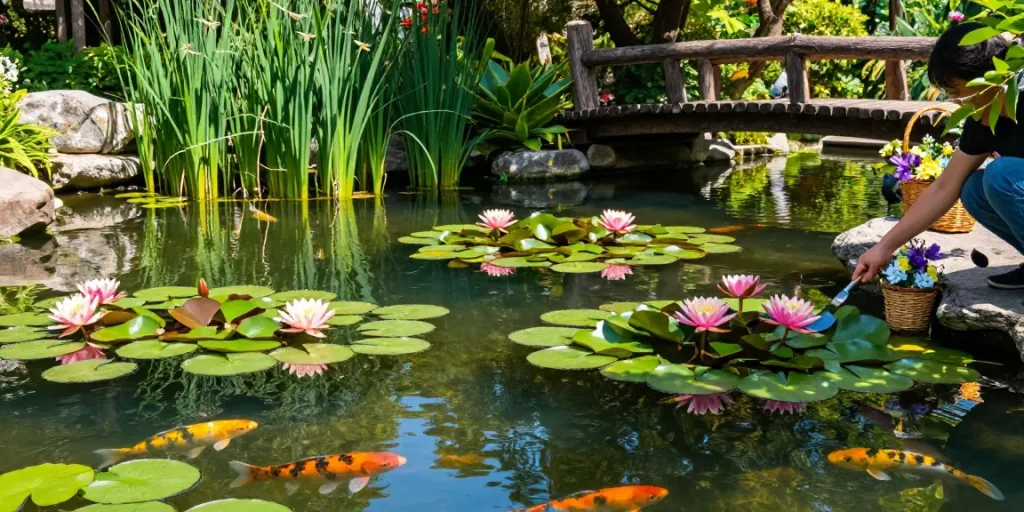
Understanding Water Lilies: A Deep Dive
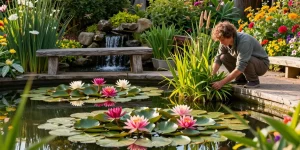
Water lilies are captivating aquatic plants known for their stunning blossoms and broad, floating leaves. These charming flora not only enhance the beauty of ponds and water gardens but also play a crucial role in maintaining aquatic ecosystems. With numerous varieties, each exhibiting unique characteristics, understanding water lilies can greatly enhance your pond gardening experience. When exploring options, Water Lilies provide comprehensive insights into selecting the perfect type for your water feature.
What Are Water Lilies?
Water lilies belong to the family Nymphaeaceae and are comprised of about 60 species. They are characterized by their round leaves, known as pads, that float on the surface of the water, along with beautiful flowers that emerge from the water. Water lilies are typically found in shallow water across many temperate and tropical regions worldwide. The plant’s structure is specially adapted to its aquatic surroundings; the wide pads provide stability and crucial surface area for photosynthesis, while their buoyant stems allow them to rise and fall with the water level.
Varieties of Water Lilies and Their Characteristics
Water lilies are diverse, with two main categories: hardy and tropical. Hardy water lilies, such as the Nymphaea odorata, thrive in cooler climates and can survive winter dormancy. They produce fragrant flowers in hues ranging from white to pink and yellow. Tropical water lilies, including the Nymphaea caerulea, flourish in warm temperatures and boast vibrant colors, often with oversized, showy blossoms. Each variety has specific growth needs, including sunlight exposure and water depth, making it essential to select the right type for your pond conditions.
Importance of Water Lilies in Aquatic Ecosystems
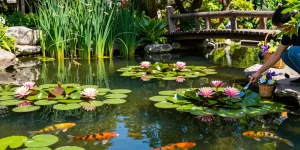
Water lilies play a vital role in aquatic ecosystems. They provide shelter and breeding grounds for many species, including fish and amphibians, which can hide among their leaves. Their presence helps in stabilizing water temperature and providing oxygen through photosynthesis, enhancing overall water quality. Furthermore, these plants can filter pollutants and excess nutrients from the water, contributing to a healthier pond environment.
Planting Water Lilies in Your Pond
Choosing the Right Location for Optimal Growth
Selecting the ideal location for planting water lilies is crucial for their growth and health. Water lilies flourish in areas that receive full sunlight for most of the day, typically around 6-8 hours. Choose a spot in your pond that is sheltered from strong winds to reduce wave action, which can damage young plants. Ensure that the water depth where you plant the lilies is suitable for the specific variety you choose, with hardy types generally needing 12-24 inches of water, while tropical varieties often prefer deeper waters.
Soil Preparation: What You Need to Know
Preparing the soil for water lilies involves using heavy clay soil, which retains moisture and nutrients well. Avoid using potting soil, as it can cloud the water. Fill a planting container with clay soil, then gently place the water lily rhizome inside, ensuring the tips face upwards. Cover the rhizome with a 1-2 inch layer of gravel to prevent soil from floating away and to provide stability.
How to Propagate Water Lilies Effectively
Propagating water lilies can be done through division or by planting seeds. When dividing a mature plant, carefully remove it from the pond and cut the rhizome, ensuring each piece has at least one growing tip. Replant these sections in separate containers and follow the same steps for soil preparation. If you choose to grow from seeds, soak them in warm water before planting them in a similar clay mix, and allow them to germinate underwater.
Care and Maintenance of Water Lilies
Essential Nutrients for Thriving Water Lilies
To ensure that your water lilies thrive, it is imperative to provide them with the right nutrients. Fertilization is typically necessary during the growing season, using aquatic plant fertilizer tablets that release nutrients slowly. Apply these tablets around the base of the lily during springtime when growth resumes. Monitor the water nutrient levels, avoiding excess phosphorus that can lead to algae blooms, which compete with water lilies for resources.
Water Quality Management for Healthy Plants
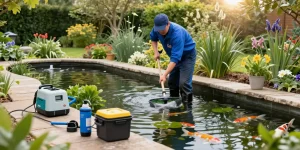
Maintaining optimal water quality is crucial for the health of water lilies. Regularly test the water for pH levels, which should ideally be between 6.5 and 7.5. Ensure that the pond is not overly crowded with aquatic plants, as this can lead to stagnation and decreased oxygen levels. Performing partial water changes and adding beneficial bacteria can help manage organic waste and keep the pond ecosystem balanced.
Common Pests and Diseases: Prevention and Treatment
Water lilies can suffer from various pests, including aphids and spider mites, as well as diseases such as leaf spot or root rot. Regularly inspect your plants for any signs of infestation or disease. Preventive measures include ensuring adequate water circulation, maintaining cleanliness in the pond, and introducing beneficial insects like ladybugs that prey on pests. If problems arise, consider using organic treatments to minimize harm to your pond environment.
Seasonal Considerations for Water Lily Care
Spring Preparations: Revitalizing Your Pond
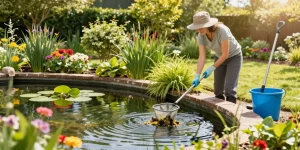
As the weather warms up in spring, it’s time to prepare your pond and water lilies for a season of growth. Start by removing any debris that accumulated over winter. Check your lilies for signs of winter damage and trim off any dead or rotting foliage. Fertilization can begin as water temperatures rise, promoting healthy new growth. If necessary, divide and replant any overcrowded sections to ensure ample space for thriving plants.
Summer Care: Thriving in the Heat
During the summer months, water lilies experience their peak growth period. Ensure they receive adequate sunlight and monitor for any signs of stress, such as wilting or yellowing leaves, which could indicate nutrient deficiencies or pests. Adding shade cloth can mitigate excessive heat, especially in extremely hot climates. Regularly remove dead leaves to prevent decay, which can compromise water quality.
Winterizing Water Lilies: Tips for Cold Months
When winter approaches, it is essential to prepare your water lilies for colder temperatures. Hardy varieties can often survive the winter submerged beneath the ice, but tropical lilies will need to be brought indoors or placed in a heated greenhouse to prevent frost damage. Before winterizing, trim back the foliage to reduce stress on the plants and prevent ice damage. Monitor water levels to ensure they do not drop significantly during freezing temperatures.
The Future of Water Lily Cultivation
Innovative Techniques for Sustainable Pond Gardening
The cultivation of water lilies is evolving with the advancement of technology and ecological awareness. Sustainable practices, such as organic fertilization, use of natural pest control methods, and the implementation of bioremediation technologies to cleanse pond water, are gaining traction. These innovations not only enhance the health of water lilies but also promote biodiversity within aquatic ecosystems.
Trends in Aquatic Plant Care for 2026
As we look towards 2026, several trends are emerging in the realm of aquatic plant care. There is a growing emphasis on ecological gardening, where pond owners are seeking to create habitats that support local wildlife. Additionally, the rise of smart gardening tools that monitor plant health and water quality are becoming popular among enthusiasts. The increase in online communities also encourages sharing tips and success stories, fostering a collaborative environment among pond gardeners.
How to Share Your Water Lily Journey with the Community
Engaging with the community can enhance your journey as a water lily enthusiast. Utilize social media platforms to share photos and tips of your pond, or join local gardening clubs and online forums where you can discuss your experiences. Participating in pond gardening workshops can also provide valuable insights and foster connections with fellow enthusiasts, helping to build a supportive network dedicated to the love of water lilies.
What types of water lilies are best for small ponds?
For small ponds, compact varieties of water lilies, such as the Nymphaea ‘Pygmy’ or ‘Teddy Bear,’ are ideal due to their ability to thrive in limited space. These varieties produce small blooms and smaller pads, making them suitable for confined areas without overwhelming the ecosystem.
How can I prevent pests from damaging my water lilies?
Preventative measures, such as maintaining a balanced ecosystem, introducing natural predators, and regularly inspecting your plants for signs of infestation, are effective in keeping pests at bay. Ensuring proper water quality and plant health also reduces the likelihood of pest-related issues.
When is the best time to plant water lilies?
The best time to plant water lilies is during the early spring, once the water temperature reaches around 70°F (21°C). This timing allows the plants to establish themselves before the peak growing season in summer.
What nutrients do water lilies require to thrive?
Water lilies thrive on a balanced diet of essential nutrients, including nitrogen, phosphorus, and potassium. These nutrients support foliage growth, flowering, and overall vitality. Regular fertilization with aquatic-specific fertilizers can ensure that your plants receive the nourishment they need.
Can water lilies survive in winter conditions?
Hardy water lilies can survive winter conditions by undergoing dormancy while submerged below the frost line. Tropical varieties, however, require protection from cold temperatures and should be relocated to warmer environments to ensure their survival through the winter months.