Pond Cleaning Essex: How to Unlock a Pristine Water Feature in 2026
Understanding the Importance of Pond Cleaning in Essex
A clean pond not only enhances the aesthetic appeal of your outdoor space, but it also plays a critical role in maintaining the overall health of aquatic ecosystems. In Essex, where diverse wildlife and local flora thrive, effective pond cleaning is essential to prevent the degradation of water quality. Regular upkeep can mitigate issues such as algae blooms and invasive species, ensuring that your pond remains a beautiful habitat. For those seeking professional help, Pond Cleaning Essex offers comprehensive insights into effective cleaning solutions tailored to local requirements.
Why Regular Maintenance is Crucial for Pond Health
Maintaining a pond involves more than simply removing debris and muck. Regular maintenance is crucial for several reasons:
- Water Quality: Clean ponds have better oxygen levels, vital for fish and other aquatic organisms.
- Plant Health: Healthy vegetation helps filter pollutants and provides habitat for wildlife.
- Prevention of Algae Blooms: Regular cleaning reduces nutrient overload that causes unsightly and harmful algae.
The Impact of Neglect on Aquatic Ecosystems
Neglecting pond maintenance can lead to severe consequences. Stagnant water can become a breeding ground for mosquitoes, while excess nutrients from decaying plant material can trigger harmful algal blooms. These blooms not only decrease oxygen levels but can also produce toxins harmful to both aquatic life and pets. Moreover, a neglected pond may harbor invasive species that disrupt the natural balance, leading to a decline in native biodiversity.
Common Pollutants Affecting Ponds in Essex
The picturesque ponds of Essex are not immune to pollution. Common contaminants include:
- Runoff: Fertilizers and pesticides from nearby agricultural lands can seep into ponds.
- Waste: Organic waste from fish and plants can accumulate, polluting the water.
- Plastic Debris: Waste from human activity that can suffocate aquatic life.
Essential Tools and Techniques for Effective Pond Cleaning
Must-Have Equipment for Pond Maintenance
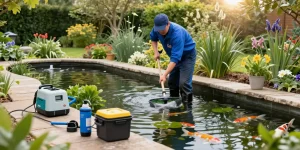
A well-maintained pond requires the right set of tools. Essential equipment includes:
- Pond Vacuum: Ideal for removing sediment and debris from the bottom.
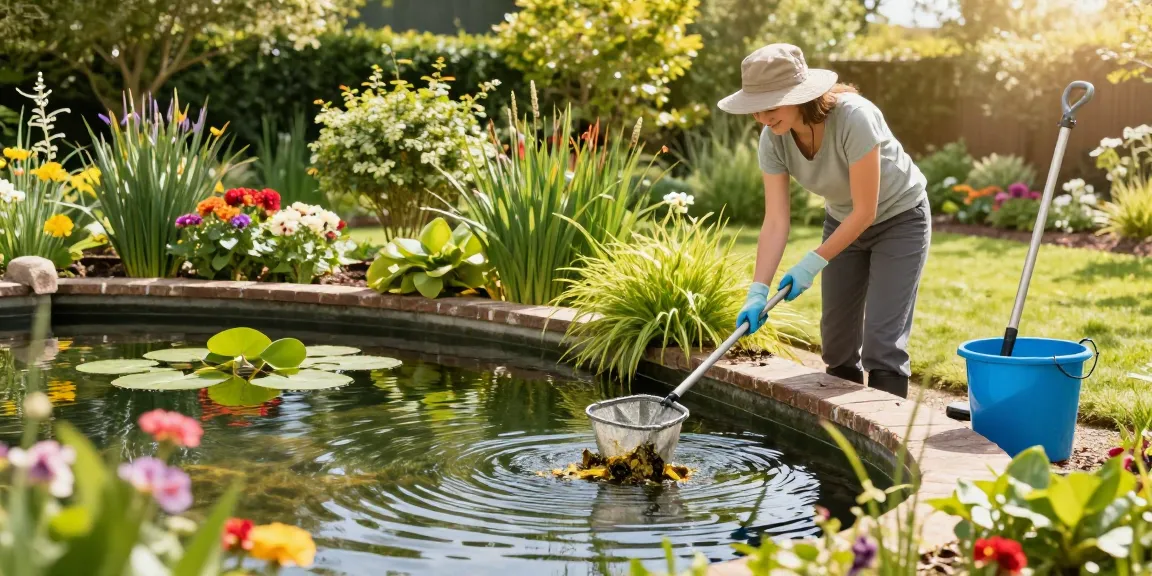
- Skimmers: Useful for collecting floating debris and leaves.
- Water Test Kits: To regularly monitor water quality parameters.
- Netting: For manually removing larger debris or catching fish during maintenance.
Step-by-Step Guide to Cleaning Your Pond Effectively
Cleaning your pond can be done effectively by following these steps:
- Drain the Pond: Remove a portion of the water, allowing access to the pond base.
- Remove Debris: Use a pond vacuum and skimmer to clear leaves and muck.
- Inspect and Repair: Check the pond liner and equipment for any needed repairs.
- Clean the Edges: Trim back overgrown vegetation along the banks.
- Refill and Treat the Water: Refill your pond and add water treatments to balance quality.
Professional Techniques You Can Learn At Home
While professional pond cleaning services are available, many techniques can be adapted for home use. Regularly monitoring water quality, introducing beneficial bacteria, and maintaining appropriate vegetation levels can significantly reduce the need for invasive cleaning. It’s also beneficial to schedule seasonal cleanings to preemptively address issues before they become overwhelming.
Identifying Common Pond Problems and Solutions
Recognizing Signs of Algae Blooms and Infestations
Being proactive in identifying problems is key to managing your pond’s ecosystem. Signs of algae blooms include:
- Discoloration: Green or murky water suggests excessive algae growth.
- Odor: A foul smell can indicate decay and excess nutrients.
- Fish Behavior: Fish gasping for air at the surface may be suffering from low oxygen levels.
Dealing with Invasive Species in Your Pond
Invasive species, such as the American mink or certain plant species, can dramatically alter the ecosystem. Strategies for management include:
- Physical Removal: Hand-pulling or using nets to remove invasive plants.
- Barriers: Installing barriers can help control fish and plant populations.
- Professional Assistance: Consult services specializing in ecological restoration for severe infestations.
Common Mistakes to Avoid During Cleaning
Cleaning your pond can be a delicate process, and it’s easy to make mistakes. Here are some common pitfalls:
- Draining Too Much Water: Draining a pond completely can harm the ecosystem.
- Overusing Chemicals: Excessive chemical treatments can adversely affect water quality and aquatic life.
- Ignoring Water Quality: Neglecting to monitor parameters can lead to long-term problems.
Best Practices for Maintaining a Healthy Pond Ecosystem
Eco-Friendly Solutions for Pond Care
Using eco-friendly methods for pond maintenance not only benefits the environment but also promotes a healthy ecosystem. Techniques include:
- Native Plants: Incorporating native vegetation can provide natural filtration and habitat.
- Natural Barriers: Using rocks or logs to prevent erosion naturally.
- Organic Treatments: Utilizing natural enzymes and beneficial bacteria to address waste.
The Role of Beneficial Bacteria in Pond Maintenance
Beneficial bacteria are essential for maintaining water quality. They help break down organic matter, reducing sludge levels and improving overall pond health. Adding these microbes regularly can significantly decrease the workload associated with pond cleaning.
Seasonal Care: What to Do Throughout the Year
Effective pond care involves different actions throughout the seasons:
- Spring: Start with a thorough cleaning and check water quality.
- Summer: Monitor water levels and manage algae growth proactively.
- Autumn: Remove falling leaves and prepare for winter.
- Winter: Inspect ice thickness and ensure aeration to maintain oxygen levels.
Future Trends in Pond Maintenance and Care
Innovative Technologies for Pond Cleaning by 2026
The future of pond cleaning is being shaped by technological advancements. Innovations such as automated cleaning robots and improved water quality sensors are set to revolutionize how pond owners maintain their water features. These technologies will enable more efficient management and monitoring, reducing both labor and costs in the long run.
Emerging Eco-Friendly Practices in Pond Management
As sustainability becomes a global focus, eco-friendly practices are gaining momentum. Techniques like permaculture, which integrates plants and animals to create self-sustaining ecosystems, are increasingly being applied to ponds to enhance biodiversity and water quality.
Predictions for Pond Health and Sustainability
Looking forward, the health of ponds will likely be influenced by climate change, urban development, and policy changes regarding water management. Communities that prioritize sustainable practices will be better positioned to maintain healthy ecosystems and biodiversity.
What Are the Benefits of Professional Pond Cleaning Services?
Engaging professional services comes with numerous advantages, including:
- Expertise: Professionals have the knowledge and experience to tackle complex issues.
- Time-Saving: Hiring experts frees up your time for other priorities.
- Comprehensive Solutions: They offer a holistic approach, addressing the root causes of pond problems rather than just symptoms.
Can Regular Pond Maintenance Improve Property Value?
Yes, a well-maintained pond enhances the aesthetic appeal of your property and can significantly increase its market value. Potential buyers often see a clean, beautiful water feature as a desirable attribute, contributing to overall landscaping and outdoor space appeal.
How to Choose the Right Pond Cleaning Service?
Selecting the best pond cleaning service involves careful consideration:
- Experience: Check the company’s track record and reviews from previous clients.
- Services Offered: Ensure they provide a comprehensive range of services, including emergency care.
- Eco-Friendly Practices: Look for companies that prioritize sustainable and environmentally friendly practices.